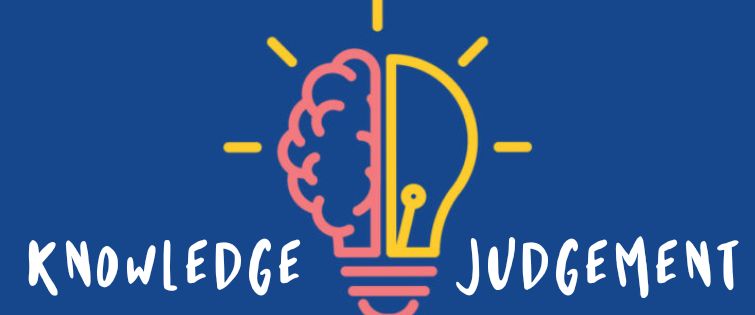
In today’s world, where social media and online forums have made public discourse more immediate—and sometimes more toxic—than ever, the wisdom of Proverbs 11:12 speaks volumes. We live in a time when it’s easy to be quick with our judgments, eager to share opinions, or to criticize others—whether it’s a political figure, a neighbor, or even a stranger on the internet. This verse calls us to pause, reflect, and consider the power of our words before we speak.
The first part of the verse says, “A person who lacks judgment derides their neighbor.” It’s tempting to criticize others based on limited information or assumptions. How often do we see people tearing others down in the name of humor, venting frustration, or simply trying to appear “better” by putting someone else down? Whether it’s on social media, in the workplace, or in personal conversations, this kind of behavior is all too common. It stems from a lack of understanding—when we fail to see the humanity in others, we are quick to judge, mock, or belittle them.
But Proverbs offers us an alternative path: “A man of understanding holds his tongue.” In a world that often rewards outrage and condemnation, choosing to hold our tongue is an act of wisdom. It’s a conscious decision to withhold judgment, especially when we don’t have the full picture. It’s about recognizing that, like ourselves, everyone is on their own journey, facing struggles and challenges that we might not see.
This verse isn’t just a call to avoid being unkind—it’s an invitation to consider the deeper implications of our words. A person of understanding doesn’t speak hastily or criticize without cause; they choose their words carefully. They know that words are powerful. They can build up or tear down, heal or hurt, create peace or cause division. A wise person, therefore, doesn’t just refrain from saying harmful things—they actively choose to speak life, offering words that encourage, uplift, and promote understanding.
In practical terms, this means choosing empathy over judgment. It means slowing down before we respond, especially in emotionally charged situations. It means listening with the intention to understand rather than to react. And it means being conscious of the impact our words have on others, both in person and online.
Consider how much conflict in the world today is fueled by harsh words and quick judgments. Political polarization, cancel culture, and social media feuds are just some examples where people feel emboldened to speak without thinking, often deriding others for their views, beliefs, or mistakes. But if we, as individuals, chose to hold our tongues and seek understanding, how different would our conversations—and our communities—be?
This doesn’t mean that we are to be silent in the face of injustice or wrong; rather, it means that our words, when spoken, should be measured, thoughtful, and aimed at reconciliation, not division. Sometimes, silence speaks louder than words, and sometimes the most powerful act of wisdom is choosing to listen rather than engage in harmful speech.
In the New Testament, James 1:19 reminds us: “Be quick to listen, slow to speak, and slow to become angry.” Jesus Himself modeled this wisdom throughout His life. When He was unjustly accused, He often remained silent, allowing others’ words to reveal their hearts. His restraint was not weakness, but strength, grounded in the understanding that words can either stir up strife or bring healing.
As we navigate our relationships, whether online or in person, let Proverbs 11:12 guide us. Before we speak, let’s take a moment to consider whether our words will promote understanding, peace, and unity, or whether they will foster division and bitterness. In our interactions, may we choose the way of wisdom—where silence and thoughtfulness pave the way for healing and grace.
Let us be people who choose understanding over derision, empathy over judgment, and peace over conflict. In doing so, we reflect the heart of Christ and become agents of transformation in a world that desperately needs more of both.
 Way & Soul
Leave a comment