Matthew 20:1–16
There’s a parable Jesus tells that I’ve always found both comforting and… unsettling.
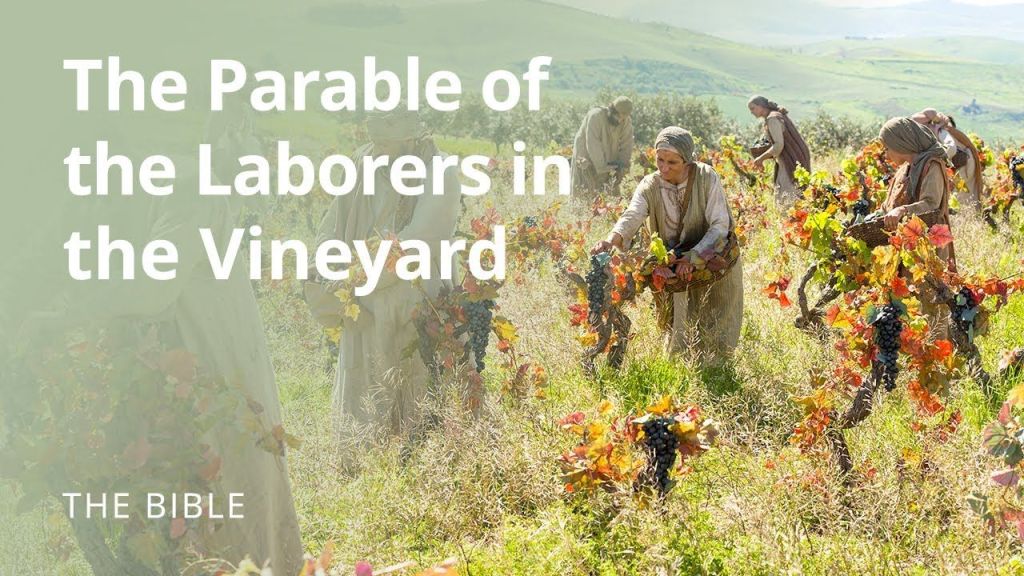
It’s the story of a landowner who hires workers throughout the day to labor in his vineyard. Some start early in the morning. Others come at mid-day. A few are brought in just an hour before the workday ends. Yet when evening arrives, he pays them all the same wage.
Naturally, those who worked the full day begin to grumble. “This isn’t fair,” they say. “We’ve borne the heat and the burden, and they’ve barely broken a sweat.”
And maybe we agree with them. We live in a world that measures effort and rewards performance. We’re taught early on to earn our place, prove our worth, keep score.
But the landowner, representing God in this parable, says something that shifts the ground beneath all those expectations:
“Am I not allowed to do what I choose with what belongs to me? Or are you envious because I am generous?”
It’s a gentle, but piercing rebuke. And it reveals something deeper about how we see others, and perhaps, how we see God.
The Offense of Grace
What makes this parable so challenging is that it confronts the part of us that still believes we must earn love, or at least deserve more of it than someone else.
We might never say it out loud, but the thought lingers: I’ve worked harder, I’ve prayed longer, I’ve been more faithful… surely that must count for something.
But grace—true grace—isn’t fair. It’s better than fair. It doesn’t measure or compare. It doesn’t play favorites. It simply gives. And often, that generosity can feel scandalous to those who think they’ve “done more.”
But maybe that’s the point. This story isn’t really about wages. It’s about the heart of God.
A Kingdom of Welcome
What if the parable is less about fairness and more about invitation?
Every worker in the story had the same experience in one crucial way: they were called. The landowner came to them, found them idle, and gave them purpose. Whether early or late, each one was brought into the vineyard not because of merit, but because of the master’s desire to include them.
This story whispers hope to those who feel behind in life or faith. It reminds us that God isn’t tallying hours of devotion to determine who belongs. He is still walking through the streets, calling people in—even now, even late in the day.
Looking Inward
It’s easy to identify with the frustrated workers, especially if you’ve been walking the road of faith for a long time. We sometimes forget that everything we have—our calling, our strength, even our place in the vineyard—is a gift.
So maybe the invitation is twofold:
- To the early laborer: rejoice that you’ve been given a place to serve, and let your heart be softened by God’s mercy to others. Don’t let comparison rob you of gratitude.
- To the latecomer: don’t let shame or time convince you that you’ve missed your chance. The call still echoes. There is still room. The Master’s generosity is not limited by the hour.
The Vineyard Still Stands
This parable doesn’t wrap up with everyone happy. There’s tension in the ending, a choice left open. Will we celebrate the generosity of God—even when it extends to others in ways we didn’t expect? Or will we hold tightly to our idea of what is “fair” and miss the joy of what is good?
In the end, the vineyard is still open. The invitation still stands. And whether you came early or late, the welcome is the same:
Full. Free. Unshakably kind.
May we all find peace in that truth—and joy in watching others find their place in the vineyard, too.
Have you ever felt like a latecomer in life or faith? Or struggled with comparison on your spiritual journey? I’d love to hear how this story speaks to you. Leave a comment or reach out. Let’s walk the vineyard road together.
 Way & Soul
Leave a comment