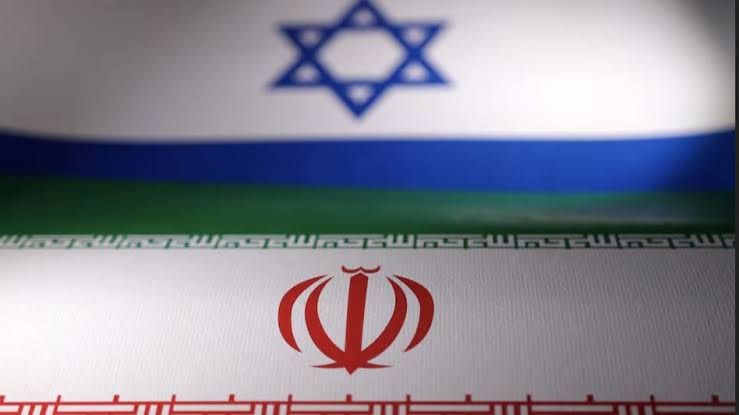
Lately, there’s been a lot of tension in the news between Iran and Israel. Some of it has escalated to airstrikes, drone attacks, nuclear threats—you name it. It seems like every other week there’s another headline about how close we are to another major war in the Middle East. And honestly, it’s hard not to feel overwhelmed, confused, or even just numb to it all.
But while all this was going on, I was reading through Romans 11, and it really gave me a different lens to look at the whole situation. I’m not saying Romans 11 is going to explain every part of modern geopolitics, but it does give us a glimpse into how God sees Israel, what His plan is, and how even global chaos can fit into a much bigger spiritual story.
God Hasn’t Given Up on Israel (Even If It Looks Like It)
Paul starts Romans 11 with a super direct question: “Has God rejected His people?” He’s talking about Israel, and the short answer is—no way. Paul, who’s writing the letter, is Jewish himself, and he uses his own story to prove that God hasn’t abandoned the Jewish people. Even though a lot of Jews in Paul’s time (and even now) didn’t believe Jesus was the Messiah, God has still kept a faithful “remnant”—a smaller group who do believe.
It’s easy to think that since Israel as a nation hasn’t embraced Jesus, God must’ve moved on to someone else. But Romans 11 pushes back hard on that idea. Paul’s basically saying, “Don’t get it twisted—God is still working with Israel, even if it doesn’t look like it right now.”
This hit me pretty hard, especially with everything happening in Israel today. The attacks from Iran, the fear of war, the whole mess with Gaza—if you’re just watching the news, it’s easy to feel like Israel is always on the verge of being wiped out. But Romans reminds us that God is still in control, and His promises to Israel haven’t expired.
What’s the Deal with the Olive Tree?
Paul uses this metaphor of an olive tree to explain how Jews and Gentiles fit into God’s plan. Basically:
- The natural branches are the Jewish people.
- Some were broken off because they didn’t believe.
- Wild branches (Gentiles—non-Jews) were grafted in because of their faith in Jesus.
- But the broken branches can be grafted back in if they come back to faith.
That might sound kind of weird at first, but it actually makes a lot of sense. Paul is saying that God’s people aren’t just one group anymore—it’s about faith, not just ethnicity. But he also warns Gentiles (people like me) not to get cocky. Just because we’re included now doesn’t mean we should act like we replaced Israel or look down on them.
In today’s terms, it’s like Paul is warning modern Christians: “Don’t think God’s done with the Jewish people just because you’re part of the Church now. You’re not the center of the story—Jesus is.”
So How Does Iran Fit Into This?
Okay, so what does any of this have to do with Iran and Israel?
A lot, actually.
Iran’s government sees Israel not just as a political enemy, but as a religious one. They talk openly about wanting to destroy the country, and they fund terrorist groups like Hamas and Hezbollah that are constantly fighting Israel from different directions. There’s also the whole issue of Iran trying to develop nuclear weapons, which makes everything way more dangerous.
From a political standpoint, this is about land, power, religion, oil—you name it. But from a biblical standpoint, it’s also spiritual.
Romans 11 talks about a “hardening” that’s come upon Israel. That means they’re spiritually kind of asleep right now—at least as a whole nation. But this hardening isn’t forever. Paul says that after “the fullness of the Gentiles” comes in (basically, once enough non-Jews come to faith), Israel’s eyes will be opened again, and “all Israel will be saved.”
So while Iran and other enemies try to wipe Israel off the map, God’s actually preparing them for something bigger: restoration. It might sound crazy, but Romans 11 suggests that all the stuff Israel is going through right now—the wars, the threats, the pain—might actually be part of the journey that leads them back to God.
What Are We Supposed to Do About It?
Let’s be real—we’re probably not going to solve Middle East peace from our dorm rooms or Starbucks study sessions. But Romans 11 shows that we still have a role to play, even if it’s not political.
Here are a few things that stood out to me:
1. Pray for Israel and the Middle East
Seriously. Not just for safety and peace (which is important), but for spiritual awakening. Paul says that Israel’s return to faith will be like “life from the dead.” That’s powerful.
2. Stay Humble
It’s easy to feel superior when you think you’re part of the “in” group. But Paul tells us not to boast about being grafted in. Everything we have—our salvation, our relationship with God—is a gift. If God is patient with Israel, we should be too.
3. Look Beyond the Headlines
When you hear about another airstrike or another round of violence, remember that there’s more going on than just what we see. God has been writing this story for thousands of years. It’s still unfolding.
4. Share the Gospel
Paul says that part of why Gentiles are included in the first place is to provoke Israel to jealousy—that they would see the relationship we have with God and want it for themselves. That means our lives should reflect something so real and hopeful that others want to know where it comes from.
Wrapping It Up: God’s Plan Is Bigger Than the News Cycle
Romans 11 isn’t just some deep theological chapter for Bible nerds. It’s a reminder that God is faithful, even when things look hopeless. It’s a challenge to stay humble and hopeful. And it’s a promise that what’s happening in the Middle East today is not the end of the story.
Israel’s future is not destruction—it’s redemption. And somehow, even in all the chaos, God is moving things toward that moment.
So yeah, the headlines are intense. The politics are complicated. But Romans 11 reminds us that God hasn’t lost control—and He definitely hasn’t lost track of His people.
 Way & Soul
Leave a comment