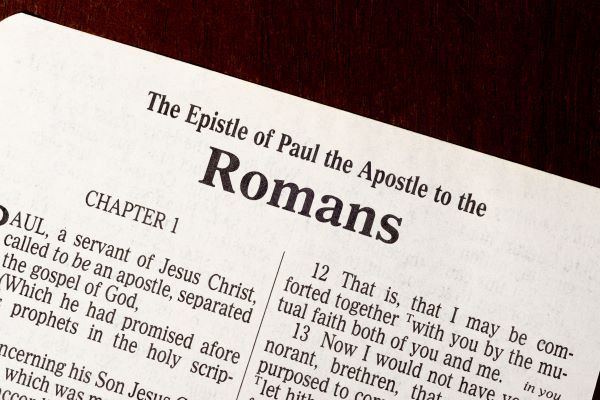
The Book of Romans is one of the most profound and theologically rich texts in the New Testament. Written by the Apostle Paul, this epistle is a powerful exploration of salvation, faith, and the righteousness of God. In Romans Chapter 1, Paul opens the letter with an insightful yet challenging reflection on humanity’s relationship with God, the nature of sin, and the consequences of turning away from the divine.
Let’s dive into the spiritual depths of this chapter, not just as an ancient text, but as a living, breathing message for our hearts today.
1. The Revelation of God’s Righteousness (Romans 1:16-17)
Paul begins this letter by declaring that he is “not ashamed of the gospel,” for it is the power of God that brings salvation to everyone who believes (Romans 1:16). The gospel, for Paul, is not just a set of teachings; it is the very power of God to redeem, heal, and restore humanity.
But it is in the next verse where the key to understanding Romans 1 is laid out: “For in the gospel the righteousness of God is revealed—a righteousness that is by faith from first to last” (Romans 1:17, NIV).
This is a pivotal moment in understanding not only this chapter, but the entire epistle. Paul teaches that the righteousness of God is something that can only be received through faith. It’s not about works, laws, or human effort, but about trusting in God’s mercy and grace. The righteousness Paul speaks of is both a gift and a transformative power that reorients us toward divine truth and justice.
2. Humanity’s Rejection of God (Romans 1:18-23)
Following this, Paul starkly confronts the reality of human rebellion. He speaks of God’s wrath being revealed against all forms of ungodliness and wickedness. This is where the tone of the chapter shifts: Paul highlights how people, despite knowing God’s existence through creation, suppress the truth and refuse to honor Him.
Paul paints a picture of a humanity that, although aware of God’s eternal power and divine nature (Romans 1:20), chooses to worship idols, creating gods in their own image. This rejection of God’s truth leads to spiritual decay and the darkening of hearts (Romans 1:21).
The crux of the matter here is not the absence of knowledge but the deliberate rejection of it. Paul’s point is that creation itself—our world, the stars, the seasons, the complexity of life—testifies to the Creator. Yet humanity has chosen to ignore this testimony in favor of lesser, fleeting idols.
3. The Consequences of Idolatry (Romans 1:24-32)
Paul explains that when humanity turns away from God, they inevitably spiral into sin. God “gave them over” to their desires (Romans 1:24, 26, 28)—a chilling phrase that suggests divine judgment in the form of allowing people to follow their destructive inclinations.
The behaviors Paul lists are not just a catalog of “sins,” but a deeper spiritual illness. They reflect a disordered love—a love that turns away from God and towards selfishness, lust, greed, envy, and all kinds of immorality. The passage is sobering because it shows that sin is not just about breaking laws; it’s about the fragmentation of our very nature and purpose.
Idolatry leads to broken relationships with God, with others, and with ourselves. It creates a false sense of fulfillment and purpose, leaving us empty and disconnected. Yet, Paul doesn’t offer condemnation without hope. The mere fact that we have this passage, that we are being called to reflect on these realities, is a sign of God’s mercy. It’s an invitation to turn back to Him before it is too late.
4. The Call to Repentance and Restoration
Romans 1 is heavy with the weight of human sin, but it is important to remember that the ultimate purpose of Paul’s letter is to point us toward the hope and restoration found in the gospel of Jesus Christ. Paul’s diagnosis of humanity’s brokenness isn’t a final word; it’s the beginning of a message of redemption.
God’s wrath, as described in this chapter, isn’t an arbitrary punishment; it is the consequence of humanity’s refusal to turn to the Source of life and love. Yet, Paul, throughout the rest of the letter, continues to unfold the glorious truth that through Jesus’ sacrifice on the cross, we can be reconciled with God. The gospel—the good news—offers forgiveness, transformation, and a new identity in Christ.
5. A Personal Reflection
As we meditate on Romans Chapter 1, it’s an invitation for us to examine our own lives. Do we, too, find ourselves turning away from the Creator in favor of lesser things? Are we seeking fulfillment in things that can never satisfy?
This chapter, though it speaks harshly about the consequences of idolatry and sin, ultimately beckons us toward a life of true worship. The kind of worship that acknowledges God’s sovereignty, His righteousness, and His grace. It calls us to repent where we have strayed and turn back to the one who can restore our souls.
6. A Prayer for Renewal
Lord, we come before You, acknowledging the ways we have turned from You. We confess that at times, we have chosen the temporary over the eternal, the created over the Creator. We ask for Your forgiveness and for the strength to turn back to You.
Help us to see Your righteousness not as a distant ideal, but as the power that can transform our lives. May we trust in Your mercy and grace, and allow You to restore us to the fullness of life You intended. In Jesus’ name, Amen.
Romans Chapter 1 reminds us of the deep realities of sin, the darkness that results from rejecting God, and the importance of turning back to Him in repentance. But even in the midst of this challenging message, there is hope—a hope that leads us into the loving arms of a God who is always ready to forgive and heal.
 Way & Soul
Leave a comment