
“Love the Lord your God with all your heart and with all your soul and with all your mind.”
Matthew 22:37
-
Change For Me

As we journey through life, we often find ourselves navigating the ever-changing tides of our inner selves. Transformation is an integral part of our spiritual growth, urging us to seek change not only in the world around us but within ourselves as well. Embracing this idea, I invite you to contemplate the notion of “Change for Me” and the profound impact it can have on our spiritual paths.
Change is often perceived as an external force, something that happens to us rather than something we actively engage in. But true change, spiritual transformation, starts within. It is a conscious choice, a deliberate shift from within that sets a chain reaction into motion, rippling outwards into our lives and the world around us.
To initiate change for ourselves, we must first become aware of our desires, our beliefs, and the patterns that limit our growth. It requires a willingness to examine our fears, doubts, and past experiences that may have created emotional barriers. By delving into the depths of our internal landscape, we open the door to self-discovery and the potential for profound change.
Change for ourselves springs from a deep yearning for growth, expansion, and connection to the divine within us. It is a recognition that we are not fixed beings but capable of evolving, transcending our limitations, and uncovering our true nature. Through this understanding, we can embrace the power of intention and consciously choose the kind of transformation we wish to invite into our lives.
This journey of change necessitates courage, vulnerability, and a willingness to let go of what no longer serves us. It demands that we release old patterns and attachments, making room for new possibilities and opportunities to unfold. In this process, we may encounter resistance, fears, and uncertainty. But even amidst the discomfort, we can find solace and strength in knowing that change brings us closer to our authentic selves.
Change for ourselves is not a linear path. It is a continuous cycle of growth, evolution, and self-realization. It requires patience, self-compassion, and an unwavering commitment to our spiritual well-being. It invites us to become active participants in our own transformation, consciously co-creating our reality with the divine wisdom that lies within us.
As we embark on this journey of change for ourselves, let us remember that transformation is not a destination but a sacred process. It is a sacred dance between our personal growth and the divine energies that guide us. By embracing change for ourselves, we align ourselves with the flow of the universe, opening ourselves to limitless possibilities and spiritual expansion.
So, let us embark on the path of change for ourselves. Let us embrace the inherent power we possess to create positive shifts in our lives. As we step into our own transformation, let us remember that change begins from within, radiating outwards and contributing to the collective awakening of humanity.
Today, I invite you to take a deep breath, ground yourself in the present moment, and set the intention for change for yourself. Embrace the transformative power that lies within your soul. Trust in the divine flow that guides you and allows change to unfold naturally and gracefully.
Embrace change for yourself, and you will discover the limitless potential that resides deep within your being. Let your journey of transformation be an inspiration, a testament to the beauty and resilience of the human spirit.
-
Commission vs Omission

In our journey towards spiritual awakening and growth, we often encounter the concepts of commission and omission. Both hold profound significance in shaping our thoughts, actions, and ultimately, our lives. Understanding the difference between them can have a transformative impact on our spiritual path.
Commission refers to actions we actively engage in, whether intentional or unintentional. These are the deeds, thoughts, and words we choose to express, the decisions we make, and the paths we embark upon. Commission entails being proactive, taking responsibility, and embodying conscientiousness in every aspect of our lives.
On the other hand, omission refers to the actions we consciously or unconsciously decide not to take. It is the territory of missed opportunities, unspoken words, and unfulfilled promises. Omission can manifest as self-doubt, fear, or complacency, leading us to disengage from situations where we could have made a positive impact or grown spiritually.
Both commission and omission have profound implications, and balancing them is crucial for our spiritual well-being. Let us explore the sacred dance between these two forces:
1. Intentional Commission: When we act consciously and with noble intentions, we open ourselves to divine intervention. By committing to acts of love, compassion, and understanding, we align ourselves with the greater good. Our actions become an embodiment of our deepest values, enriching our own spiritual growth while positively affecting the world around us.
2. Conscious Omission: Sometimes, refraining from acting can be an act of wisdom and compassion. It is essential to discern when to step back, allowing others their own journey, and trusting in the unfolding of Divine Will. Conscious omission can provide space for self-reflection, creating an opportunity for introspection and understanding boundaries in our interactions with others.
3. Unconscious Commission: This arises when we act impulsively or out of alignment with our values. Unconscious commission often arises from a lack of self-awareness or being driven by external pressures. To grow spiritually, we must acknowledge the consequences of our actions and seek to transform negative patterns, learning to act with greater mindfulness and authenticity.
4. Unconscious Omission: Sometimes, we fail to act when our inner voice guides us towards positive change. Fear, doubt, or self-limiting beliefs may cause us to turn away from opportunities for spiritual growth. By cultivating self-awareness and creating space for introspection, we can identify areas in our lives where unconscious omission prevents us from reaching our fullest potential.
To transcend the duality of commission and omission, we must strive for balance. Embrace conscious commission by aligning your thoughts, words, and actions with love, kindness, and empathy. Simultaneously, cultivate conscious omission by discerning when to surrender control, trusting in the divine unfolding of life.
Remember, our spiritual journey is a tapestry woven with both action and inaction. By mindfully embracing the dance between commission and omission, we open ourselves to the infinite possibilities of growth, transformation, and divine grace.
May we all have the courage to act with purpose, consciously discern when to step back, and embrace the true essence of our spiritual nature.
-
Heaven’s Door

As human beings, we often yearn for a sense of connection with something greater than ourselves. We search for the purpose of our existence, seeking solace and guidance in the face of life’s challenges. In moments of quiet contemplation, we may find ourselves knocking on heaven’s door, seeking a deeper spiritual understanding. But what does it truly mean to knock on the door of heaven?
Knocking on heaven’s door is an invitation to embark on a journey of self-discovery, to explore the infinite realms of the divine within us. It is an act of surrender, recognizing that we alone cannot navigate the complexities of life. We acknowledge that there is a force beyond our comprehension, one that is ready and waiting to graciously guide us along our earthly path.
When we knock on heaven’s door, we set aside our ego and open our hearts to the divine wisdom that surrounds us. We release our need for control and allow ourselves to be guided by something greater, knowing that the answers we seek lie not in the external world, but in the depths of our own souls.
Through prayer, meditation, or any other spiritual practice, we knock on heaven’s door with the intention of creating a sacred space within ourselves. In these moments, we enter into a state of receptivity, where the boundaries between the physical and spiritual realms blur, and we become vessels for divine guidance and love.
The act of knocking on heaven’s door is not limited to specific religious beliefs or practices; it is a universal call to connect with the divine essence that resides in all of us. Each of us may experience this connection differently, and that is the beauty of our diverse spiritual journeys. Whether through nature, art, music, or acts of kindness, we can all find our unique doorways to heavens.
Knocking on heaven’s door is a soulful dialogue, an intimate conversation with the divine. It is an opportunity to seek answers to life’s profound questions, to find solace in times of difficulty, and to discover the light within ourselves that can shine forth and illuminate the world around us.
As we knock on heaven’s door, let us remember that the divine presence we seek is always accessible to us. It is not a far-off destination, but a warm, nurturing embrace that exists within our very being. When we knock with pure intentions, the door swings open, welcoming us into a realm of love, peace, and understanding.
So, let us continue to knock on heaven’s door with faith and surrender. Let us listen attentively to the whispers of the divine, allowing its guidance to transform us from within. In doing so, we open ourselves to a profound spiritual awakening, aligning our lives with a higher purpose and embracing the boundless love that awaits us.
Remember, knocking on heaven’s door is not a one-time event; it is a lifelong pursuit. It is a daily reminder that we are all divine beings, connected to a grand tapestry of existence far greater than ourselves. So, let us keep knocking, keep seeking, and keep opening our hearts to the infinite possibilities that lie beyond heaven’s door.
-
Process
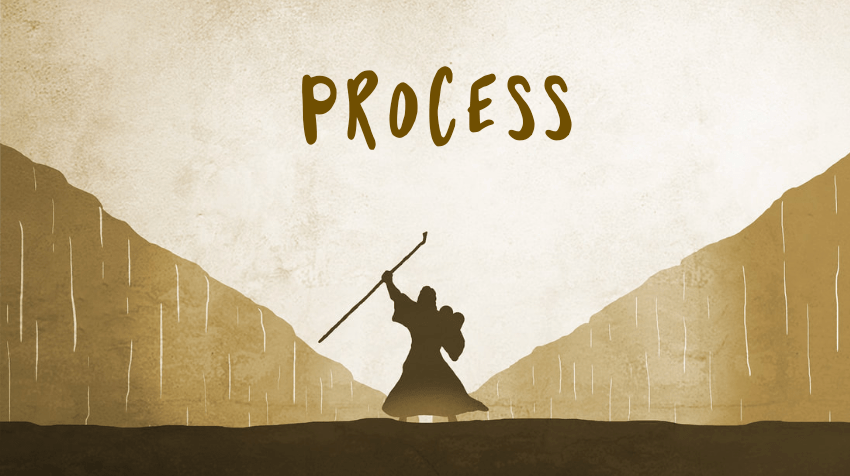
The story of how God led the Israelites out of Egypt into the wilderness is one of the most captivating and significant events recounted in the Bible. It serves as a powerful reminder of God’s faithfulness, His divine process, and His unwavering commitment to His people.
The Struggles in Egypt:
The Israelites had been living in Egypt for several generations, initially welcomed as Joseph’s people. Over time, however, they faced oppression, slavery, and harsh persecution under a new Pharaoh who feared their growing numbers. In their distress, they cried out to God for deliverance, and He responded.
God’s Call:
In the midst of their suffering, God heard the cry of His people and chose Moses to be the instrument of their liberation. Through a stunning display of power and sovereignty, God revealed Himself to Moses through the burning bush on Mount Horeb, commissioning him to lead the Israelites out of Egypt.
The Plagues and the Exodus:
God, through Moses, confronted Pharaoh with ten devastating plagues, showcasing His supremacy over all creation and demanding the release of His people. Despite Pharaoh’s initial resistance, he ultimately relented after the tenth plague, which took the lives of the firstborn of Egypt. This event became the catalyst for the Exodus, marking the Israelites’ departure from Egypt.
The Wilderness Journey:
With their newfound freedom, the Israelites embarked on a journey into the wilderness. This phase was not without its challenges. The Israelites faced countless trials, obstacles, and even their own doubts and insecurities. However, God’s presence remained with them as a guiding light, demonstrating His love, compassion, and provision.
God’s Guidance and Protection:
Throughout their time in the wilderness, God revealed Himself to the Israelites in various ways. He led them as a pillar of cloud during the day and a pillar of fire at night, visibly guiding them through their journey. God also miraculously provided for their needs by sending manna from heaven to sustain them and supplying water from rocks in the midst of barren landscapes.
Lessons Learned:
God’s process of leading the Israelites out of Egypt and into the wilderness was not just about their physical liberation; it was also an opportunity for transformation, growth, and learning to trust in Him. It was in the wilderness that the Israelites learned the importance of obedience, patience, faith, and reliance on God’s unfailing promises.
Application and Encouragement:
The story of the Exodus and the wilderness journey serves as a timeless reminder that God is faithful to His promises, even in the face of trials and uncertainties. Just as He led the Israelites out of captivity and guided them through the wilderness, He is also working in our lives today, leading us through our own challenges, and guiding us towards a place of victory and fulfillment.
In times of uncertainty or when we find ourselves in the wilderness, let us remember that God’s process is often a journey with a purpose. It is an opportunity for us to grow, to develop our character, and to deepen our trust in Him. May we find comfort and inspiration in knowing that God’s guiding hand is always with us, leading us towards our own promised land.
-
Perception
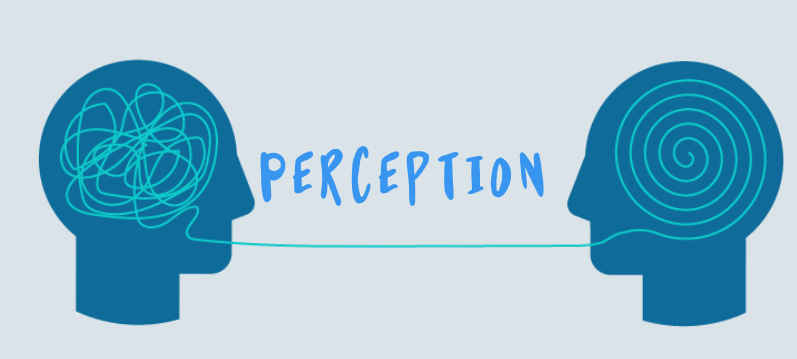
In the grand tapestry of life, perception acts as the lens through which we view the world. It shapes our thoughts, emotions, and ultimately, our understanding of reality. Our individual perceptions are unique filters that influence our experiences and interactions with the world around us. However, in our journey towards spiritual growth, it is vital to recognize the profound impact perception has on our lives and explore how we can broaden our perspectives to uncover deeper truths. Let us embark on a transformative exploration of perception.
1. The Power of Perception:
Perception extends beyond the realm of the physical senses. It encompasses our thoughts, beliefs, and intuition. Our perception not only shapes the way we perceive the external world but also molds our inner world. By understanding this incredible power, we take the first step towards spiritual growth. We can consciously choose to hone our perception, expanding our consciousness to transcend limited viewpoints.2. Recognizing Limiting Beliefs:
Limiting beliefs act as veils that cloud our perception, restricting our ability to see beyond what is known. They are born from societal conditioning, past experiences, and fears. Spiritual growth necessitates an honest examination of these limiting beliefs. By questioning their validity, we can begin to dissolve them, clearing the way for a more expansive and liberated perception.3. Cultivating Presence and Mindfulness:
To shift our perception, we must anchor ourselves in the present moment. Engaging in mindfulness practices allows us to heighten our awareness and become attuned to the subtleties of life. In these moments of presence, we open ourselves up to perceiving the beauty, interconnectedness, and divine essence underlying all things. By cultivating presence, we invite a profound transformation into our perception of reality.4. Embracing Compassion and Unity:
Perception deeply influences the way we interact with others. When we approach relationships with an open heart and seek to understand different perspectives, we can foster compassion and empathy. By recognizing our shared humanity and interconnectedness, we transcend the boundaries of perception and bridge the gaps that divide us. Unity becomes not just a concept but a lived experience that transforms our perception of self and others.5. Embracing the Mystery:
At the core of spiritual growth is an acceptance of the vast, mysterious nature of existence. Our perception often seeks to categorize and define, but true understanding arises from embracing the unknowable. By humbly acknowledging the limits of our perception, we open ourselves to the infinite possibilities that lie beyond our comprehension. In relinquishing the need for certainty, we allow our perception to expand into the realm of wonder, awe, and spiritual evolution.Perception is a key element in our spiritual journey. By recognizing its power, uncovering our limiting beliefs, cultivating presence, embracing compassion, and accepting the mystery, we can actively shape our perception to experience a deeper, more meaningful existence. As we embark on this transformative path, let us remember that perception is not an end in itself but a doorway to our soul’s awakening. By shifting our perspectives, we embrace the totality of our being and align ourselves with the profound wisdom that resides within.
-
Misplaced Faith

In our journey of spiritual growth and seeking truth, it is natural to place our faith in something greater than ourselves. From religious institutions to personal philosophies, faith has the power to offer solace, guidance, and purpose to our lives. However, what happens when our faith becomes misplaced? When the object of our trust no longer serves our spiritual development, but hinders it instead? This post aims to explore the concept of misplaced faith and provide insights on how we can navigate this delicate journey.
1. Questioning Our Belief Systems:
Misplaced faith often stems from unquestioning adherence to belief systems that no longer serve our spiritual growth. It is important to remember that seeking truth is an ever-evolving process, and what may have once served us may no longer align with our present understanding. To identify misplaced faith, we must be open to questioning our beliefs, examining them with an open and curious mind.
2. Recognizing the Signs:
One of the signs of misplaced faith lies in its negative impact on our overall well-being and inner peace. It can manifest as disconnection from our authentic selves, feelings of guilt, fear, or lack of alignment with our true values. It is crucial to pay attention to these signs and ask ourselves if our faith is genuinely nurturing our spiritual growth or if it has become a hindrance.
3. Embracing a Personal and Authentic Path:
When we realize that our faith no longer serves us, it can be both liberating and disorienting. It is essential to remember that spirituality is a deeply personal journey. Embracing a personal and authentic path means allowing ourselves the freedom to explore different belief systems, practices, and philosophies to find what resonates with our innermost being.
4. Cultivating Discernment and Balance:
While it is crucial to be open-minded and inquisitive, it is equally important to cultivate discernment. Discernment is the ability to navigate various belief systems and practices with wisdom and clarity, recognizing what aligns with our truth and what does not. By actively cultivating discernment, we empower ourselves to separate what is beneficial for our spiritual growth from what is misleading or harmful.
5. Finding Inner Stillness and Connection:
In the midst of questioning our misplaced faith, it is vital to find solace in stillness and reconnect with our inner selves. Meditation, mindfulness practices, and spending time in nature can help us ground ourselves and tap into our innate wisdom. By nurturing this connection, we can discern our true spiritual needs and align our faith with our authentic selves.
Misplaced faith can be a challenging but transformative experience on our spiritual journeys. By questioning our beliefs, recognizing the signs, embracing authenticity, cultivating discernment, and finding inner stillness, we take vital steps towards reclaiming our spiritual path. Remember, spirituality is a deeply personal experience, and it is up to us to ensure that our faith truly serves our growth and allows us to live purposefully, guided by our inner truth.
-
Good News

In a world overwhelmed with turmoil, suffering, and uncertainty, the Good News of the gospel shines as a beacon of hope, promising love, forgiveness, and eternal redemption. It is a message that has transformed countless lives, bringing healing, joy, and purpose. Today, we delve into the essence of the Good News and explore the impact it can have on our lives.
The Good News Defined:
At its core, the Good News is the revelation of God’s plan for humanity’s salvation through the life, death, and resurrection of Jesus Christ. Through his sacrifice, we are offered forgiveness for our sins and the opportunity to restore our broken relationship with God. It is a message that emphasizes God’s unconditional love and desire for a redemptive relationship with each and every one of us.Hope in Times of Despair:
In moments of despair, the Good News of the gospel fills our hearts with hope. It reminds us that our struggles and challenges are not in vain, as they can be transformed into opportunities for growth and reliance on God’s strength. This hope gives us the courage to face life’s trials head-on, knowing that God is with us every step of the way, comforting, guiding, and renewing our spirits.Forgiveness and Redemption:
One of the most powerful aspects of the Good News is the promise of forgiveness and redemption. It assures us that, no matter our past mistakes or shortcomings, we can be fully forgiven and set free from the burdens of guilt and shame. This message allows us to experience the transformative power of God’s love, granting us a fresh start and empowering us to live a life of purpose and fulfillment.Embracing Love and Compassion:
The Good News extends beyond personal salvation; it calls us to embody the love and compassion of Christ in our relationships and interactions with others. It compels us to extend kindness, help the marginalized, and be agents of positive change in our communities. This message inspires us to reject hatred, prejudice, and division, and instead, foster unity, understanding, and empathy.Eternal Promise:
The Good News carries with it the assurance of eternal life. It offers us the hope of an everlasting union with God, where pain, sorrow, and suffering are no more. This knowledge brings solace during times of grief and loss, offering a glimpse of a future filled with the everlasting presence of God and reunion with loved ones.The Good News of the gospel is a message of hope, transformation, and limitless love. It proclaims the possibility of forgiveness, redemption, and eternal life. By embracing this message, we can find purpose, joy, and peace amidst life’s challenges. Let us share this Good News with others, spreading hope and transforming lives as we continue on the journey of faith.
-
The Moment

In today’s fast-paced world, it’s easy to get caught up in worrying about the future or dwelling on the past. But have you ever stopped to consider the remarkable power of living in the moment? By fully embracing the present and cultivating mindfulness, we can unlock a myriad of benefits that enhance our well-being and amplify our enjoyment of life. So, let’s delve into the art of living in the moment and discover how it can transform our lives.
1. Improved Mental Well-being:
Living in the moment allows us to break free from the grip of ruminating about the past or stressing over the future. When we focus our attention on the present, we can alleviate anxiety and stress, as our minds become centered and calm. Embracing the present moment cultivates mindfulness, enabling us to fully engage with our surroundings, thoughts, and emotions, leading to improved mental clarity and overall well-being.2. Heightened Appreciation and Gratitude:
By living in the moment, we become more attuned to the beauty and wonders that exist in our daily lives. Gratitude naturally arises when we shift our attention to the present, helping us recognize and appreciate the small joys that often go unnoticed. Whether it’s savoring a delicious meal, enjoying nature’s beauty, or cherishing meaningful connections with loved ones, mindfulness invites us to experience life’s richness with awe and appreciation.3. Deeper Connection with Others:
Living in the moment allows us to truly connect with the people around us. By actively listening, being fully present in conversations, and embracing the art of empathy, we can forge deeper and more meaningful relationships. Mindfulness helps us cultivate a sense of understanding, compassion, and acceptance, fostering stronger bonds with our loved ones and creating a more harmonious social environment.4. Heightened Creativity and Productivity:
When we immerse ourselves fully in the present moment, we tap into the realm of creative inspiration. By letting go of distractions and mental clutter, our minds can become more receptive to innovative ideas and fresh perspectives. Moreover, living in the moment boosts our productivity by enabling us to focus our energy and attention on the task at hand, paving the way for increased efficiency and overall success.5. Enhanced Well-being and Inner Peace:
Living in the moment empowers us to connect with our inner selves on a deeper level. By practicing self-compassion and self-acceptance, we cultivate inner tranquility and peace. Letting go of regrets from the past and anxiety about the future, we can embrace the present as it unfolds, leading to a greater sense of well-being and contentment.In a world that often pulls us in countless directions, urging us to plan, strategize, and worry, embracing the present moment becomes an invaluable tool for personal growth and fulfillment. By living in the moment and cultivating mindfulness, we can unlock a treasure trove of benefits, including improved mental well-being, increased gratitude, deeper connections with others, heightened creativity, and enhanced inner peace. So, let’s make a conscious decision to step into the present, savor every moment, and live our lives to the fullest. After all, the power to transform our lives lies right here, in the beauty of the present moment.
-
Glorious Day

Today, I want to celebrate the sheer magnificence and beauty of a glorious day. From the moment the sun rises, casting its gentle golden glow upon the world, to the tranquil sky that stretches above us, every element comes together to paint a breathtaking masterpiece.
A glorious day is an invitation to seize the moment, to embark on a journey of discovery and joy. It reminds us to appreciate the simple wonders that surround us, enhancing our well-being and infusing our hearts with gratitude.
Picture yourself strolling through nature’s embrace. Can you feel the gentle kiss of a warm breeze against your skin? The rhythmic melody of birdsong and rustling leaves echoing all around you? Each step reveals nature’s vivid hues, from vibrant flowers to towering trees gracefully swaying in harmony.
Or perhaps a bustling cityscape beckons, filled with the energy and vibrancy of humanity. Streets alive with the sounds of laughter, the hum of conversations, and the tantalizing aromas of diverse cuisines. The modern marvels of architecture reaching skyward, reflecting the ingenuity and creativity of mankind.
But remember, a glorious day extends beyond the external world. It offers us an opportunity to reconnect with ourselves and those around us. It reminds us to cherish the love and warmth of our loved ones, the fascinating stories waiting to be shared, and the profound connections we foster.
Amidst the splendor of a glorious day, let us not overlook the gift of presence and mindfulness. Take a moment to breathe in deeply, immersing yourself in the present. Embrace the serenity and let go of worries, as the world reveals its kaleidoscope of endless possibilities.
So, dear readers, I invite you to embrace each new day with open arms. Embrace the wonders that surround you, both big and small. Carpe diem, seize the day, and let the radiance of a glorious day infuse your spirit with hope, love, and infinite possibilities.
Wishing you a glorious day, every day.
With warmth and gratitude,
Isaac
-
A New Beginning
Life is a beautiful tapestry woven with countless threads of beginnings and endings. As one chapter closes, another one beckons, promising new experiences, growth, and opportunities. Each new beginning holds the potential to transform our lives and bring us closer to the fulfillment of our dreams and aspirations.
The power of a fresh start is incredible. It allows us to recalibrate, to reflect on the lessons we’ve learned, and to ignite a flame of enthusiasm and possibility within ourselves. Whether it’s starting a new job, moving to a different city, beginning a relationship, or even embarking on a personal journey of self-improvement, the “blank canvas” of a new beginning has a way of invigorating our spirits and inspiring us to reach for greatness.
So, how can we make the most of a new beginning? Here are a few guiding principles to help navigate this exciting phase of life:
Embrace change: Change can be intimidating, but it’s also an opportunity for growth. Embrace the unknown with an open mind and heart, and you’ll discover new facets of yourself along the way.
Set intentions: Clearly define what you want to achieve in this new chapter. Set goals that resonate with your core values and align with your long-term vision. Intentions provide a sense of direction and purpose.
Cultivate self-compassion: Understand that not every step will be perfect. Allow yourself to stumble, learn, and grow. Embrace the process, celebrate small victories, and be kind to yourself when faced with setbacks.
Seek support: Surround yourself with positive influences. Seek guidance from mentors or trusted friends who can offer encouragement, advice, and a fresh perspective when needed. Rallying a support system can make the journey more enjoyable and meaningful.
Stay open and adaptable: Be willing to pivot, adjust, and explore new paths. Sometimes, detours lead to unexpected treasures. Trust the process and have faith in your ability to adapt and thrive.
Remember, a new beginning is not just about the end result; it’s about the growth, self-discovery, and joy found in the journey. Embrace each step with gratitude, and allow the possibilities of this fresh start to unfold before you. You have the power to shape your destiny and create a life that truly speaks to your soul.
Embrace this new beginning, dear friends. Your journey awaits, and the possibilities are limitless. May you find the courage to step into the unknown with excitement, resilience, and an unwavering belief in yourself. Embrace this unique opportunity to paint the canvas of your life, and bring forth a masterpiece that is wholly, authentically you.
 Way & Soul