
“Love the Lord your God with all your heart and with all your soul and with all your mind.”
Matthew 22:37
-
Lending to God

Proverbs 19:17 states, “Whoever is generous to the poor lends to the Lord, and he will repay him for his deed.” This verse invites us to explore the deep spiritual significance of generosity and compassion.
At its core, this scripture emphasizes the intrinsic value of helping those in need. When we extend our resources—be it time, money, or even a listening ear—to those who are struggling, we are participating in a divine act. This act of kindness is not just a moral obligation; it’s an opportunity to reflect God’s love and grace in the world.
Generosity creates a profound connection between the giver and the receiver. In giving, we often find that we are transformed. Our hearts expand, our perspectives shift, and we gain a deeper understanding of our shared humanity. This is where true fulfillment lies—not in material accumulation, but in the relationships we nurture and the lives we touch.
The promise that “he will repay him for his deed” serves as a powerful reminder of divine reciprocity. While we may not always see immediate rewards for our generosity, we can trust that our acts of kindness resonate far beyond what we can measure. The blessings may manifest in unexpected ways: a deeper sense of peace, new opportunities, or simply the joy of knowing we’ve made a difference.
Moreover, engaging with the less fortunate invites us to confront our own biases and assumptions. It challenges us to see the world through different eyes, fostering empathy and compassion. In a culture that often values individualism and material success, choosing to uplift others is a radical act of love.
As we reflect on this verse, let’s consider practical ways to embody this spirit of generosity. Volunteering our time, donating to local charities, or simply reaching out to someone in need can create ripples of hope in our communities. Each small act matters; together, they weave a tapestry of support and kindness.
Additionally, we must remember that generosity doesn’t always have to be financial. Sometimes, the most impactful gift we can offer is our presence and our willingness to listen. In a world filled with noise, being a compassionate listener can be a profound way to demonstrate love and care.
Ultimately, Proverbs 19:17 calls us to a life of purpose and connection. By lending to the Lord through our generosity, we become co-creators of a more compassionate world. Let’s embrace this divine invitation and allow our hearts to open wider, trusting that in giving, we will also receive abundant blessings in return.
-
In God We Trust

As we approach this election, it’s vital to reflect on the deeper spiritual dimensions of our participation. Throughout history, Christians have faced persecution and struggles, often fighting battles that seemed hopeless from a human perspective. For instance, during Jesus’ trial, scholars highlight that at least 18 of the Mosaic laws, which were designed to protect Him, were violated. This historical context reminds us that our involvement in political processes should not merely be about choosing the “winning team” or aligning with the “most popular party.”
In Matthew 5:10-12, Jesus tells us, “Blessed are those who are persecuted because of righteousness, for theirs is the kingdom of heaven. Blessed are you when people insult you, persecute you, and falsely say all kinds of evil against you because of me. Rejoice and be glad, because great is your reward in heaven, for in the same way they persecuted the prophets who were before you.” These words remind us that our call is to stand for righteousness and truth, even when faced with adversity.
Our involvement in elections and civic duties should be driven by our commitment to uphold the principles and freedoms that God has bestowed upon us. It’s about ensuring that justice, mercy, and integrity guide our choices, rather than merely seeking victory or popularity. Micah 6:8 echoes this sentiment: “He has shown you, O mortal, what is good. And what does the Lord require of you? To act justly and to love mercy and to walk humbly with your God.”
In every decision, including voting, we must remember that our ultimate allegiance is to God. No matter the outcome of the election or the trials we face, we must hold fast to the assurance that we are all created equally in the image of God. Genesis 1:27 affirms, “So God created mankind in his own image, in the image of God he created them; male and female he created them.” This divine truth reinforces our inherent dignity and equality, regardless of the earthly outcomes we encounter.
In the end, God’s sovereignty and divine plan transcend our immediate circumstances. Proverbs 19:21 reminds us, “Many are the plans in a person’s heart, but it is the Lord’s purpose that prevails.” Trusting in His greater purpose provides us with peace and assurance, knowing that His plan will ultimately prevail despite the challenges we face.
As we cast our votes and engage in the democratic process, let us do so with a spirit of integrity, guided by faith, and committed to the principles of justice and righteousness. Let us remember that our true victory lies in staying true to God’s call and His eternal purposes, beyond the fleeting outcomes of earthly affairs.
-
Spiritual Leadership

1 Thessalonians 5:12-13 provides a compelling vision of how we should interact with those who lead and guide us in our spiritual journey. The Apostle Paul urges us to recognize and appreciate those who work hard among us, especially those who provide spiritual leadership and support. Their role is crucial, as they often bear the responsibility of guiding us through our spiritual challenges and helping us grow in our faith.
Respecting and valuing their efforts is not merely about acknowledging their position; it’s about recognizing the depth of their commitment and the sacrifices they make. Spiritual leaders invest considerable time and energy into nurturing our growth, offering counsel, and fostering a sense of community. By showing them honor and appreciation, we acknowledge the significant role they play in our lives and in our spiritual development.
Living in peace with one another and holding our spiritual leaders in high regard cultivates an environment where mutual respect and support can flourish. This respect is a cornerstone of a thriving spiritual community, as it fosters trust, unity, and cooperation. It also encourages leaders to continue their work with renewed vigor, knowing their efforts are valued and impactful.
Furthermore, this passage invites us to examine our own attitudes and actions. How do we currently show appreciation for those who guide us? Are there ways we can be more intentional in expressing our gratitude? By reflecting on these questions, we open ourselves up to deeper connections and a more enriched spiritual experience. The ultimate goal is to build a community where each person feels valued and supported, and where our collective journey toward spiritual growth is enhanced by mutual respect and understanding.
-
Crossing Over

John 5:24 offers a profound glimpse into the essence of spiritual assurance and the transformative power of faith. The verse states: “Very truly I tell you, whoever hears my word and believes him who sent me has eternal life and will not be judged but has crossed over from death to life.” This declaration by Jesus is not merely a promise but a profound spiritual truth that reshapes our understanding of existence and salvation.
At its core, this verse highlights the profound impact of faith. Hearing Jesus’ words is not just an auditory experience; it signifies an openness to divine truth. To truly hear is to allow these words to penetrate deeply into our hearts and minds, reshaping our lives according to divine wisdom. Belief in the One who sent Jesus—God the Father—demands a radical trust and acceptance, a surrender to a higher reality beyond our immediate understanding.
This passage reassures us that through such faith, we are gifted with eternal life. Eternal life is not merely an extension of our temporal existence but a new kind of existence altogether. It is a life that begins now, in this moment, as we align ourselves with the divine truth, and continues beyond the physical confines of our earthly journey. It’s an invitation to experience a profound transformation that elevates us from mere survival to a state of spiritual fulfillment and connection.
Moreover, the promise that we “will not be judged” offers profound peace. It signifies that through faith in Jesus and His message, we are liberated from the fear of condemnation. This liberation is not about escaping responsibility but rather about understanding that our relationship with God is characterized by grace and redemption. Jesus’ words assure us that we are seen through the lens of divine mercy and love, not through our failings.
“Crossed over from death to life” is a powerful metaphor for spiritual rebirth. It signifies a transition from a state of separation from God—symbolic of spiritual death—to a state of union with Him, characterized by spiritual vitality and purpose. This crossing over is not a future event alone but a present reality for those who embrace this divine promise.
In living out this truth, we are invited to embody the essence of this eternal life in our daily existence. It calls us to live with a profound sense of purpose, grounded in the assurance of divine love and grace. Our interactions, choices, and aspirations are all transformed when viewed through the lens of this spiritual reality. We are encouraged to live with hope and courage, knowing that our ultimate destiny is secure in the divine promise of eternal life.
John 5:24 thus invites us to embrace a transformative faith, one that transcends the immediate and connects us to a deeper, eternal reality. It reassures us of our divine inheritance and calls us to live in the light of this profound truth, celebrating the assurance of eternal life and the freedom from judgment.
-
God’s Consolation

In Psalm 94:19, “When anxiety was great within me, your consolation brought me joy,” we find a profound reflection on the nature of divine comfort amidst our deepest struggles. This verse beautifully captures the essence of finding solace in the midst of turmoil.
Anxiety can feel like an insurmountable burden, overwhelming our hearts and minds. The pressures of life, the uncertainties, and the fears often create an internal storm that seems relentless. Yet, this psalmist’s experience offers a hopeful perspective. It highlights that when we are enveloped by anxiety, there is a divine consolation that can soothe our troubled souls.
God’s consolation is more than a mere comfort; it is a transformative presence that brings profound joy and peace. This joy is not dependent on external circumstances but on a deep, internal assurance that we are held and supported beyond our understanding. It is in these moments of despair that we can find an ultimate peace that surpasses human comprehension.
Reflecting on this verse encourages us to seek and embrace this divine consolation in our lives. When anxiety threatens to overwhelm us, we can turn to this higher source of comfort, allowing it to uplift and renew our spirits. By doing so, we align ourselves with a greater peace, a joy that remains steadfast despite life’s challenges. Let us hold onto this promise and trust that in every moment of anxiety, there is a divine presence ready to bring us profound comfort and joy.
-
Finding the Divine

“From the rising of the sun to its setting, the name of the Lord is to be praised.” – Psalms 113:3
This profound verse from the Psalms serves as a timeless reminder of the continuous presence of the divine in our lives. It calls us to recognize that the sacred is not confined to specific moments of worship or periods of tranquility but is present throughout the entirety of our existence. From the first light of dawn to the quiet of twilight, God’s name is to be praised, underscoring the perpetual nature of divine grace.
Consider the sunrise, a daily miracle that signals the beginning of a new day. Each morning’s light is a symbol of renewal, hope, and possibility. It is an opportunity to reflect on the infinite goodness that the divine bestows upon us. As the sun ascends in the sky, it reminds us that every new day is a chance to start afresh, to align our hearts with divine purpose, and to approach our lives with a sense of gratitude and reverence.
Throughout the day, as we engage in our various activities, let us remember that our work, our relationships, and our interactions are infused with the divine presence. In moments of challenge, we are invited to seek strength and guidance from the Lord. In moments of joy, we are called to offer thanks and share our blessings. Every interaction, every effort, and every breath is an opportunity to acknowledge the divine essence that permeates all things.
As the sun begins its descent, casting its golden hues across the sky, we are reminded to pause and reflect. The setting sun signifies not just the end of the day, but a time for introspection and gratitude. It is a moment to review the day’s experiences, recognize the presence of the divine in both triumphs and trials, and offer thanks for the guidance and support we have received.
Psalms 113:3 invites us to integrate this awareness into our daily lives, making every moment a reflection of our spiritual journey. The continuous cycle of the sun serves as a metaphor for the unwavering presence of God, encouraging us to maintain a spirit of praise and gratitude at all times. By doing so, we transform our ordinary routines into acts of worship, seeing each moment as an opportunity to honor and celebrate the divine.
As we embrace the rhythm of day and night, let us carry the essence of this psalm in our hearts, allowing it to shape our attitudes and actions. May we find sacredness in the mundane and recognize the divine hand in all things, living each day with a heart full of praise and a spirit aligned with the eternal presence of the Lord.
-
Embracing Suffering
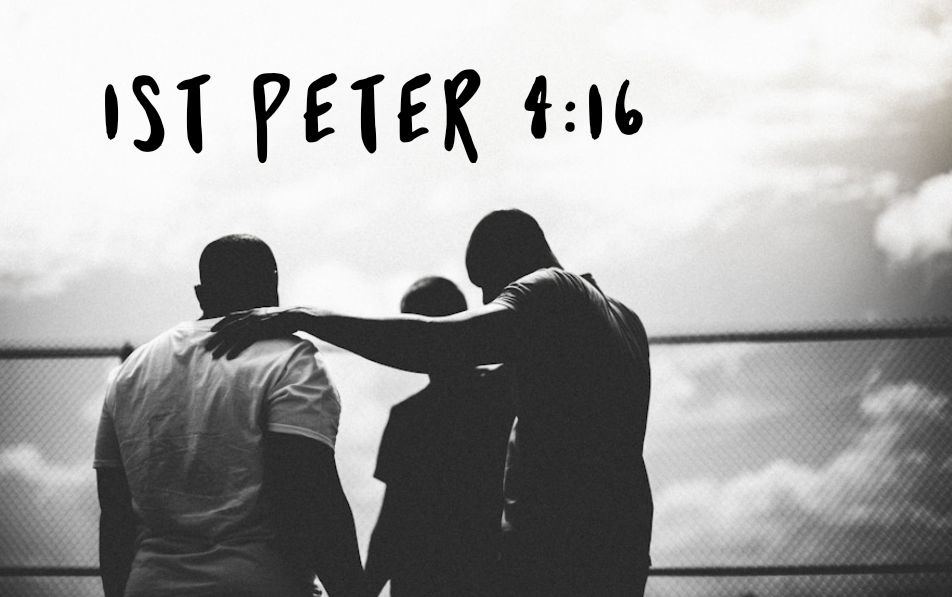
In 1 Peter 4:16, we encounter a profound and transformative message: “However, if you suffer as a Christian, do not be ashamed, but praise God that you bear that name.” This verse offers a deeply spiritual perspective on the experience of suffering for one’s faith.
The apostle Peter addresses a reality that many believers face: the challenge of enduring hardship because of their commitment to Christ. Such suffering can often lead to feelings of shame or doubt, but Peter encourages us to view it differently. Rather than seeing these trials as a mark of failure, he calls us to recognize them as a testament to our identity in Christ. Our suffering is not in vain but a part of our journey as Christians.
By urging us to praise God in the midst of suffering, Peter invites us to shift our focus from the pain of the moment to the greater purpose and significance of our faith. Praising God even in difficult times reaffirms our trust in His sovereign plan and demonstrates a deep and unwavering commitment to Him. It is through such praise that we connect more deeply with God’s grace and find the strength to endure.
Moreover, our suffering becomes a powerful witness to others. When we respond to trials with faith and praise rather than despair, we show the transformative power of God in our lives. Our perseverance becomes a testament to the strength and hope that Christ provides, and it can inspire others to seek the same divine solace and strength.
In essence, 1 Peter 4:16 encourages us to see our trials as opportunities for spiritual growth and divine connection. It reminds us that our suffering, while challenging, is part of a larger narrative of grace and redemption. By embracing our Christian identity and praising God in the face of adversity, we align ourselves with the profound truth that our struggles are not without purpose but are integral to the unfolding story of faith and grace in our lives.
-
Invitation to Renewal

In Acts 3:19, we encounter a powerful invitation: “Repent therefore, and turn back, that your sins may be blotted out.” This call to repentance is not merely an admonishment but an invitation to transformation and spiritual renewal. It signifies more than just a change of mind; it’s a profound shift in direction, urging us to turn our hearts and lives back to God.
Repentance, in this context, is an opportunity for a fresh start. It’s about acknowledging where we have strayed and choosing to realign our lives with divine purpose. This act of turning back to God signifies a deep, heartfelt change—a move from estrangement to intimacy, from confusion to clarity.
When we repent, we allow God’s grace to wash over us, erasing the weight of our past mistakes and sins. The promise that our sins will be “blotted out” is a beautiful testament to the transformative power of divine forgiveness. It suggests that no matter how heavy our burdens or how deep our failures, there is always the possibility of renewal and restoration.
This process is not about dwelling on our flaws but about embracing the possibility of new beginnings. It encourages us to let go of past guilt and embrace a life where we can be truly free and live in alignment with our highest values.
Acts 3:19 calls us to a life of ongoing transformation and growth. It reminds us that God’s love is ever-present and His grace is always available. As we turn back to Him, we are invited into a deeper relationship, marked by hope and renewal. Embrace this divine invitation and allow it to guide you toward a more fulfilled and spiritually enriched life.
-
Finding Strength In Temptation

In 1 Corinthians 10:13, the Apostle Paul offers a profound and comforting truth: “No temptation has overtaken you except what is common to mankind. And God is faithful; he will not let you be tempted beyond what you can bear. But when you are tempted, he will also provide a way out so that you can endure it.”
This verse is a beacon of hope in times of difficulty. It acknowledges the universal nature of our struggles, reminding us that the temptations and trials we face are not unique but are part of the common human experience. In moments of challenge, it’s easy to feel isolated, as if we are bearing a burden that no one else understands. Yet, Paul’s words remind us that we are not alone in our struggles; others have faced similar trials before us.
God’s faithfulness is the cornerstone of this promise. He is intimately aware of our limitations and our capacity for endurance. The assurance that God will not allow us to be tempted beyond what we can bear speaks to His deep understanding of our individual strengths and weaknesses. It is a reminder that every test we face is measured by God’s wisdom and compassion, ensuring that we are equipped to handle it.
Moreover, Paul assures us that God will provide a way out of temptation. This promise is not just about avoiding difficulties but about finding a path through them. God’s provision may come in the form of inner strength, a change in perspective, or external support. In every situation, God offers a means to endure and overcome. This path may not always be obvious or easy, but it is always there, waiting for us to seek it.
In practical terms, this verse encourages us to lean into our faith during difficult times. When faced with temptation or hardship, instead of succumbing to despair, we are called to trust in God’s provision. Seek His guidance through prayer, scripture, and reflection. Ask for the wisdom to recognize the way out He provides and the strength to follow it.
Let this promise of 1 Corinthians 10:13 be a source of encouragement and strength. Embrace the knowledge that you are not alone in your trials, and that with God’s help, you are capable of overcoming the challenges you face. Through faith, perseverance, and trust in God’s unfailing support, you can navigate any trial and emerge stronger on the other side.
-
Embracing Divine Timing

1 Peter 5:6 provides deep spiritual insight into the nature of humility and divine providence: “Humble yourselves, therefore, under the mighty hand of God, that he may lift you up in due time.” This verse serves as an invitation to surrender our egos and personal ambitions, recognizing the power and sovereignty of the Divine. Humbling ourselves means acknowledging our limitations and placing our trust in a higher purpose, which allows us to experience true inner peace and transformation.
By submitting to God’s mighty hand, we align ourselves with a greater plan that surpasses our understanding. This act of humility is not about diminishing our worth but about embracing a posture of trust and dependence on divine timing. It’s an invitation to let go of our need for control and to accept that elevation and growth come not from our own striving, but from the grace and guidance of God.
In times of struggle or uncertainty, this verse reminds us that patience and humility are key to spiritual development. By letting go and allowing ourselves to be led, we open ourselves to receiving God’s blessings in their perfect time. Trust in this divine rhythm and find solace in the knowledge that through humility and faith, we are being prepared for the ultimate lifting up and fulfillment of our highest potential.
 Way & Soul