
“Love the Lord your God with all your heart and with all your soul and with all your mind.”
Matthew 22:37
-
Peace & Unity

John 14:27 offers a powerful reminder of the peace that Christ gives, “Peace I leave with you; my peace I give you. I do not give to you as the world gives. Do not let your hearts be troubled and do not be afraid.”
As we navigate the emotional and often contentious atmosphere of an election season, this verse provides both comfort and guidance. Elections bring with them a whirlwind of emotions—fear, anxiety, excitement, hope, and even division. The world around us may be filled with uncertainty, strong opinions, and fluctuating outcomes. In moments like these, it’s easy for our hearts to become troubled and our minds to be filled with worry. But Jesus speaks directly into this turmoil, offering us a peace that transcends the shifting tides of politics and public opinion.
The peace Jesus offers is not like the peace the world gives. The world’s peace often depends on external circumstances—who wins, who loses, what the future holds. But the peace of Christ is different. It is a deep, abiding peace that is not subject to the changing tides of political events. This peace comes from knowing that Jesus is sovereign over all things, that He holds our future in His hands, and that His kingdom is not of this world. When we choose to rest in His peace, we are no longer dependent on the outcomes of elections, but anchored in the eternal truth that God’s plans will prevail, regardless of who holds political office.
Moreover, Jesus’ peace is a gift that is not only meant to calm our hearts in times of personal struggle but to shape the way we engage with the world. As believers, we are called to be instruments of peace in a world that desperately needs it. In a season marked by division, harsh rhetoric, and fear, we are called to embody the peace of Christ in our relationships and conversations. This does not mean avoiding the tough conversations or pretending that everything is fine—it means responding to conflict and disagreement with grace, humility, and a commitment to the unity that Christ offers.
When we are tempted to let our hearts be troubled or afraid—whether due to political tension, societal divisions, or personal uncertainty—Jesus’ words are a reminder that we do not have to face these challenges alone. We can rest in the peace that only He provides, a peace that guards our hearts and minds even in the most chaotic of times.
As we approach this election season, let us be intentional about seeking Christ’s peace above all else. Let it be the lens through which we view our decisions, our conversations, and our interactions. Let it be the foundation that helps us stand firm in faith, even in the midst of a divided world. And let us pray for peace not only in our own hearts but in our communities, our nations, and the world—trusting that the peace of Christ can transform hearts and bridge divides, no matter the political climate.
In the end, we are reminded that God’s kingdom is unshakable, and His peace is unending. Whatever the outcome of the election, we are called to walk in the peace of Christ, knowing that He is with us, He is for us, and His plans will prevail. Let that peace be our strength, our hope, and our testimony to the world.
-
Walking in the Light

1 John 1:7 states, “But if we walk in the light, as he is in the light, we have fellowship with one another, and the blood of Jesus, his Son, purifies us from all sin.” This profound verse offers us rich insights into our spiritual journey and the essence of our relationships with God and one another.
The Meaning of Walking in the Light
To walk in the light is to live with transparency and honesty. It’s an invitation to step away from shadows of deceit, fear, and isolation. In our modern world, where distractions and temptations abound, this call to authenticity can feel daunting. Yet, it is through embracing this light that we find true freedom. Walking in the light means acknowledging our imperfections and failures, allowing God’s grace to transform us. It encourages us to face our vulnerabilities, knowing that in His presence, we are met with love and understanding rather than judgment.
Fellowship in the Light
As we walk in the light, we discover a deeper fellowship with one another. This shared journey fosters a community built on trust and mutual support. In a world that often feels fragmented, the church—or any community of believers—becomes a refuge where we can encourage each other to grow. We share our stories, our struggles, and our victories, recognizing that none of us walks alone. This fellowship is essential; it reminds us that we are part of something greater than ourselves, connected through our shared faith and the transformative power of Christ.
The Power of Purification
The latter part of the verse offers a beautiful promise: “the blood of Jesus, his Son, purifies us from all sin.” This is a reminder of the profound grace we receive through Christ’s sacrifice. No matter how far we stray or how burdened we feel, His blood cleanses us. This purification is not a one-time event; it is an ongoing process that invites us into continual repentance and renewal. By bringing our sins and struggles into the light, we allow Christ to work in us, freeing us from guilt and shame.
Living in the Light Together
Walking in the light also challenges us to extend this grace to others. Just as we seek forgiveness and healing, we are called to be agents of grace within our communities. This means being patient and compassionate, recognizing that everyone is on their own journey. As we cultivate an environment of acceptance, we empower others to walk in the light alongside us, creating a ripple effect of transformation.
Embracing the Journey
The journey of walking in the light is not always easy. There will be times of doubt and temptation, moments when shadows threaten to overwhelm us. Yet, it is precisely in these moments that we must cling to the truth of this scripture. We can take comfort in knowing that walking in the light is not about perfection; it’s about progress and perseverance. It’s about choosing to trust in God’s promises and relying on His strength.
Conclusion
In a world that often feels dark and chaotic, 1 John 1:7 reminds us of the power and peace found in walking in the light. It invites us into authentic relationships with God and each other, grounded in truth and grace. As we embrace this calling, let us remember that we are continually being purified and transformed by the love of Christ. May we be a reflection of His light, illuminating the paths of those around us and fostering a community rooted in hope, healing, and genuine fellowship. Together, let us walk boldly in the light, celebrating the beautiful gift of grace that unites us.
-
The Debt of Love

In Romans 13:8-10, the Apostle Paul shares a profound message about our obligations to one another, stating, “Owe no one anything, except to love each other.” This passage calls us to reassess our relationships and the deeper meanings of obligation and community, emphasizing that love is the only true debt we should carry.
The Nature of Love
At its core, love is a transformative force that transcends mere emotional affection. It is an active engagement—a deliberate choice to seek the good of others, even in challenging circumstances. When we embody love, we reflect the spirit of the commandments, honoring our neighbors and nurturing a community rooted in compassion and respect. This principle is timeless, resonating deeply across cultures and faith traditions.
Love as Action
Paul’s call to love challenges us to rise above societal norms that emphasize self-interest and individualism. Love is not just a passive feeling; it requires intentional action. Simple gestures—like offering a listening ear, extending forgiveness, or providing support—can significantly impact those around us. These acts of love create connections and foster a sense of belonging.
The Challenge of Love
While it is easy to love those who love us back, true love often tests our capacity to extend grace to those who oppose or hurt us. In these moments, we are called to dig deeper into our well of compassion. Choosing understanding over judgment and grace over retaliation can be uncomfortable, but it is essential for spiritual growth and resilience.
A Continuous Journey
The journey of love is ongoing and requires us to remain open to learning and evolving. Practicing love helps break down barriers of fear and misunderstanding, enriching our spiritual lives. As we actively seek to love others, we often discover new dimensions of love within ourselves, deepening our connection to the divine.
Practical Applications of Love
Reflecting on Romans 13:8-10 invites us to consider how we can embody love daily. This could mean volunteering in our communities, advocating for social justice, or simply connecting with someone who feels isolated. By intentionally seeking opportunities to express love, we contribute to a culture of care that reverberates throughout our lives.
Love and Justice
Love extends beyond individual acts; it calls us to address systemic injustices and support marginalized voices. When we love our neighbors, we become advocates for change, striving towards a world where everyone is treated with dignity and respect. This radical love inspires us to seek justice and equity, reflecting the heart of our spiritual commitments.
Conclusion: The Foundation of Spiritual Life
Ultimately, love is the foundation of our spiritual journey. It invites us into deeper relationships with ourselves, others, and the divine. By embracing this debt of love, we nurture a community built on understanding and grace. Each act of love contributes to a larger tapestry of connection, making our lives more meaningful and interconnected.
In every moment we choose love over fear, indifference, or self-interest, we draw closer to the heart of God. As we strive to embody this message, let us remember that the journey of love is ongoing, filled with opportunities for growth and transformation. Through love, we find purpose, connection, and the realization of our shared humanity, paving the way for a more compassionate and just world for all.
-
Embracing Our Gifts

Romans 12:6-8 offers a rich tapestry of insight into the role of spiritual gifts within the body of Christ. Paul writes about various gifts—prophecy, serving, teaching, encouraging, giving, leading, and showing mercy—emphasizing that each gift is a manifestation of God’s grace. This passage invites us to reflect deeply on how these gifts function not only in individual lives but also in the collective experience of faith.
Understanding Spiritual Gifts
At its core, the concept of spiritual gifts reminds us that we are all uniquely designed by God. Each gift serves a distinct purpose, contributing to the overall mission of the church. This diversity is not accidental; it is a deliberate act of divine creativity. Just as a symphony relies on various instruments to create a harmonious sound, the church thrives when each member brings their unique gifts to the table.
The gifts listed in Romans 12 can be broadly categorized, but each carries its significance. Prophecy serves to speak forth God’s truth, guiding the community in alignment with His will. Serving exemplifies the heart of Christ, demonstrating love in action. Teaching imparts wisdom and knowledge, helping others to grow in their faith. Encouraging uplifts the weary and strengthens the weak, while giving reflects a generous spirit that mirrors God’s provision. Leading provides direction, ensuring that the community moves together towards a common goal, and showing mercy extends compassion, reminding us of the grace we’ve received.
Cultivating Our Gifts
To effectively use our gifts, we must first recognize and cultivate them. This journey often begins with self-reflection and prayer. Spend time in solitude, asking God to reveal your gifts and how you can utilize them for His glory. Engage with your community, seeking feedback from others who may see qualities in you that you might overlook.
Once identified, it’s essential to nurture these gifts through practice and learning. For instance, if you feel called to teach, consider joining a study group or attending workshops to enhance your skills. If your gift is in mercy, volunteer with organizations that serve those in need. This active pursuit not only helps you grow but also deepens your understanding of how your gift fits into the larger body.
Serving with Joy and Zeal
In Romans 12:8, Paul emphasizes that we should use our gifts “according to the grace given to us.” This means we should serve joyfully, out of love and gratitude for what God has done in our lives. When we act with zeal and sincerity, our efforts become an authentic expression of our faith. Serving others with enthusiasm not only honors God but also inspires those around us.
Consider how you can infuse joy into your acts of service. Perhaps it’s by sharing stories of how your gift has impacted others or finding creative ways to encourage your community. When we approach our gifts with joy, we create an inviting atmosphere that attracts others to experience God’s love.
The Importance of Community
Moreover, this passage emphasizes the importance of community in recognizing and utilizing spiritual gifts. The church is not meant to be a collection of isolated individuals but a united body, working together for a common purpose. Each member’s gift complements the others, creating a dynamic interplay that strengthens the entire body.
In a healthy community, we celebrate one another’s gifts. Take time to acknowledge and affirm the talents you see in others. A simple note of encouragement or a heartfelt compliment can empower someone to embrace their calling. When we cultivate an environment of support and recognition, we foster growth and collaboration, allowing everyone to flourish.
Living Out Our Calling
As we seek to live out the principles found in Romans 12:6-8, we must remain grounded in love and humility. It’s essential to remember that our gifts are not for our glory but for God’s purpose. This perspective shifts our focus from personal achievement to communal upliftment.
Engage actively in your church and community, looking for opportunities to serve and contribute. Whether it’s through formal ministries or informal gatherings, seek to embody the love of Christ in every interaction. When we approach our calling with this mindset, we reflect the heart of Jesus—serving humbly and generously, just as He did.
Conclusion
Ultimately, Romans 12:6-8 challenges us to embrace our unique gifts and use them for the greater good of the church and the world. As we discover and cultivate our abilities, let’s remain committed to serving others with joy and sincerity. By doing so, we fulfill our roles in the body of Christ and manifest His love to those around us.
In this journey, may we continually seek the guidance of the Holy Spirit, allowing Him to direct our paths and inspire our service. Together, let us strive to create a community that thrives on diversity, celebrates each gift, and reflects the glory of God in all we do. Through our collective efforts, we can make a profound impact, shining brightly in a world that so desperately needs the hope and love of Christ.
-
Fragrance of Christ
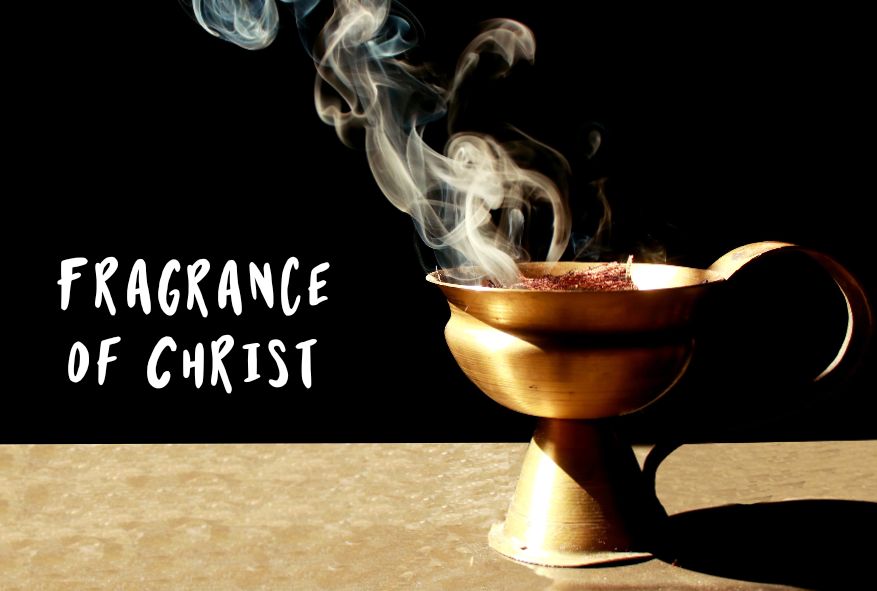
In 2 Corinthians 2:14-16, the Apostle Paul captures the essence of our journey as followers of Christ. He writes, “But thanks be to God, who always leads us in triumphal procession in Christ, and through us spreads everywhere the fragrance of the knowledge of him.” This passage invites us to reflect deeply on our identity and mission as believers.
The Triumph in Christ
The imagery of a triumphal procession is rich with meaning. In ancient times, such processions celebrated victories, parading through the streets as a testament to conquering forces. Paul emphasizes that, in Christ, we are participants in a divine victory—not just passive observers. God leads us, guiding our paths even amid struggles and trials. This assurance instills hope, reminding us that we are never alone.
The Fragrance of Christ
As we move through life, we are called to be a fragrant offering, spreading the “fragrance of the knowledge of Him.” This metaphor highlights the transformative impact of our faith. Just as a pleasant aroma draws people in, our lives should reflect the love and grace of Jesus. It challenges us to consider what kind of scent we emit—are we offering hope, joy, and peace, or are we clouded by negativity and despair?
Our actions, words, and attitudes should point others toward the truth of Christ. This fragrance isn’t merely about what we say but how we live—demonstrating integrity, kindness, and compassion in our daily interactions.
A Divided Response
Paul continues by acknowledging that this fragrance elicits different responses: to some, it is the smell of life, while to others, it represents death. This duality reflects the truth that the message of Christ is transformative yet divisive. Some may be drawn to the hope and renewal He offers, while others may reject it, feeling challenged or confronted by the truth.
This reality can be daunting, yet it underscores the importance of our role as ambassadors of Christ. We must recognize that we cannot control how others respond, but we can remain faithful in sharing the love of Christ. Our responsibility is to embody His message authentically, trusting that the Spirit works in hearts in ways we may not see.
Our Mission
Ultimately, 2 Corinthians 2:14-16 calls us to embrace our mission as vessels of God’s grace. Each day offers us opportunities to reflect Christ’s love in our actions. Whether through acts of service, words of encouragement, or simply being present for those in need, we can spread His fragrance in our communities.
Let us commit to being attentive to the ways we can embody Christ’s love. Pray for guidance and boldness to share your faith, knowing that even small acts can have a profound impact. As we align ourselves with God’s purpose, we become part of His triumphant procession, bringing hope and light into a world that desperately needs it.
In conclusion, remember that your life is a powerful testament to the love of Christ. Embrace the journey with gratitude, allowing His fragrance to permeate every aspect of your being. In doing so, you will not only find joy in the process but also inspire others to seek the transformative power of Christ in their own lives.
-
Awakening to Resurrection
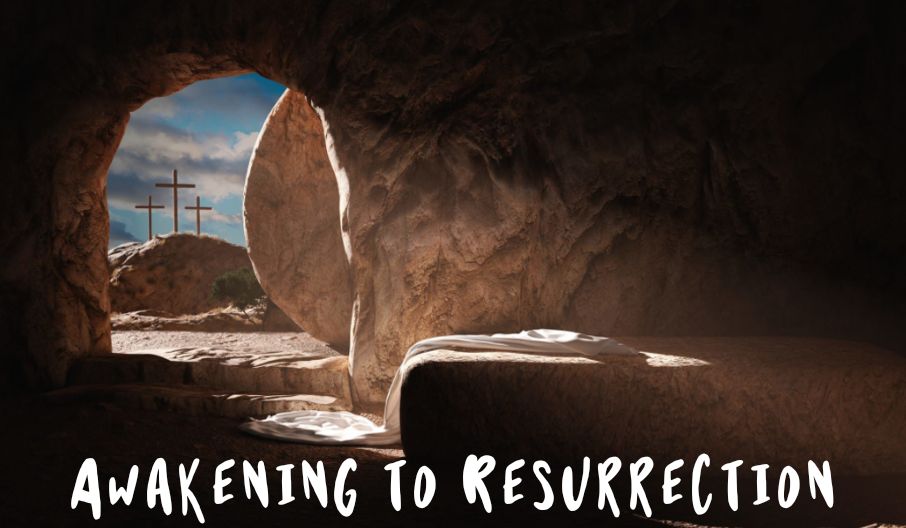
Romans 8:11 tells us, “And if the Spirit of him who raised Jesus from the dead is living in you, he who raised Christ from the dead will also give life to your mortal bodies because of his Spirit who lives in you.”
This verse serves as a profound reminder of the transformative power of the Holy Spirit in our lives. It speaks to the incredible truth that the same Spirit that conquered death and brought Jesus back to life resides within us. This is not just a promise of physical renewal, but a call to a spiritual awakening.
In our daily struggles, we often feel weighed down by life’s burdens, doubts, and fears. Yet, this scripture encourages us to tap into the divine life force within us. It reassures us that we are not alone; we have access to a strength that transcends our circumstances.
Embrace the reality that resurrection power is at work in you. Allow the Spirit to revive your spirit, renew your mind, and rejuvenate your heart. Each day, seek to live in this awareness, and let it guide your actions, thoughts, and interactions.
As we cultivate this relationship with the Holy Spirit, we begin to reflect the life and love of Christ in all we do. Remember, the resurrection is not just an event in history; it’s a present reality that empowers us to live fully and freely.
-
Walking in Spirit

Galatians 5:25 states, “If we live in the Spirit, let us also walk in the Spirit.” This powerful verse encapsulates the essence of Christian living, calling us to a deeper understanding of how our spiritual lives should translate into our daily actions.
Contextual Background
The Apostle Paul wrote the letter to the Galatians to address significant issues within the early church. Many believers were struggling with the temptation to return to the law after experiencing the grace of the Gospel. Paul emphasizes that faith in Christ liberates us from the constraints of the law and invites us into a vibrant, transformative relationship with the Holy Spirit.
In the preceding verses, Paul contrasts the works of the flesh—such as selfishness, anger, and divisiveness—with the fruits of the Spirit, which include love, joy, peace, patience, kindness, goodness, faithfulness, gentleness, and self-control. By setting this context, Paul emphasizes that living in the Spirit isn’t just a passive experience; it is a dynamic, active process that requires our participation.
Living in the Spirit
To “live in the Spirit” means to accept the indwelling presence of the Holy Spirit in our lives. This presence empowers us to become more like Christ, allowing us to experience a new kind of freedom—freedom from sin, fear, and isolation. It invites us to cultivate a relationship that nourishes our spiritual growth and shapes our character.
This living is not merely about internal feelings; it’s about a profound change in how we engage with the world. It invites us to embrace the transformative love of God and to understand that our identity is rooted in Him. As we grow in our relationship with the Spirit, we begin to see ourselves—and others—through the lens of divine love and grace.
Walking in the Spirit
“Walking in the Spirit” is the practical application of our spiritual life. It challenges us to reflect our faith in our actions, decisions, and relationships. Walking implies movement, progress, and purpose. It requires intentionality and mindfulness.
To walk in the Spirit means to actively seek to live out the fruits of the Spirit in our everyday encounters. It involves choosing patience over frustration, kindness over indifference, and love over hate. Each step we take should be guided by the Spirit’s wisdom, leading us toward greater compassion and understanding.
The Challenge of Daily Life
In a world filled with distractions, noise, and conflict, maintaining a Spirit-led life can be challenging. Yet, this verse serves as a reminder that we are not alone in this journey. The Spirit is our guide, helping us navigate difficult situations and encouraging us to respond with grace rather than reacting out of anger or frustration.
This walk is also communal. As we live and walk in the Spirit, we encourage one another in our faith journeys. We become part of a larger body of believers who support each other, embodying the love of Christ in a world that desperately needs it.
Conclusion
Galatians 5:25 calls us to a holistic approach to our faith—where belief and action are intertwined. It challenges us to embody the fruits of the Spirit in our daily lives, becoming vessels of God’s love and light. As we commit to this journey, we not only transform ourselves but also impact those around us, reflecting the beauty of living a life led by the Spirit.
In this season of growth, let us continually seek to live in and walk in the Spirit, allowing our faith to inspire our actions and create a ripple effect of love and grace in the world.
-
Guarding our Hearts

Proverbs 4:23 invites us to “guard your heart with all diligence, for from it flow the springs of life.” This powerful verse highlights the profound impact our hearts have on our lives, urging us to protect our innermost selves with care and intention.
In the context of spirituality, our hearts symbolize not just our emotions but also our intentions, desires, and spiritual truths. They are the wellspring from which our actions and interactions flow. Therefore, what we allow into our hearts shapes our perspectives and ultimately defines our paths.
In today’s fast-paced world, we are bombarded with negativity, fear, and distractions. Social media, news, and even toxic relationships can pollute our hearts if we aren’t careful. To guard our hearts means being vigilant about what we consume—both physically and spiritually. It encourages us to seek out positivity, surround ourselves with uplifting influences, and immerse ourselves in truth and wisdom.
Practicing mindfulness in our thoughts and actions is crucial. We can cultivate gratitude, compassion, and love, allowing these qualities to flourish within us. This doesn’t mean ignoring the hardships of life; rather, it means approaching them with a heart grounded in hope and resilience.
Furthermore, guarding our hearts fosters deeper connections with others. When we nurture our inner selves, we become more empathetic and understanding, enriching our relationships. Our hearts, filled with love and compassion, become beacons of light in a world that often feels dark.
As we reflect on this verse, let us commit to nurturing our hearts through prayer, meditation, and acts of kindness. By doing so, we not only protect ourselves but also contribute to a more compassionate and loving community. In guarding our hearts, we become empowered to live authentically and purposefully, flowing with the life that truly matters.
-
Closer

Life often calls us to surrender—an act that can feel both daunting and liberating. As we navigate our paths, we encounter moments that challenge our sense of security and control. Surrender may seem intimidating, yet it opens the door to profound growth. By gently breaking down our defenses, we allow healing to begin and release our grip on what we think we must control, welcoming new possibilities.
Surrender doesn’t mean losing what we hold dear; it invites us to trust in something greater than ourselves. It’s a delicate balance between holding on to what matters and letting go of what no longer serves us. In this space of vulnerability, we can find solace amid turbulent waters. Calming those troubled waters speaks to the peace we can discover when we embrace uncertainty. By surrendering, we allow the currents of life to guide us rather than struggling against them.
As we journey through life, we often face struggles that mask our true selves. There’s a deep longing for connection and understanding within us all. When pain and expectation weigh us down, we can lose sight of who we are. Yet, in moments of genuine connection, we uncover the beauty of our shared humanity. The desire to be seen for who we truly are—without judgment—highlights the importance of authenticity in our relationships. This vulnerability can create powerful bonds, reminding us that we are not alone in our experiences.
As time passes, nostalgia can cloud our vision, making us cling to the past. We might find ourselves reminiscing about days gone by, feeling a sense of loss for what once was. However, it’s essential to recognize that while those days are behind us, the present holds its own beauty and gifts. Each moment offers opportunities for growth, learning, and renewal. By grounding ourselves in the now, we can appreciate the richness of our current experiences and the potential they offer.
When we allow ourselves to be fully present, we open the door to new possibilities. This shift in perspective encourages us to cherish the moments we often take for granted. It’s easy to overlook the small joys and connections when we’re caught up in the rush of life. But as we pause to reflect, we realize that every interaction, every shared laugh, and every moment of vulnerability contributes to the tapestry of our lives.
Ultimately, this journey of surrender and connection leads us to a deeper understanding of ourselves and others. It invites us to trust in the unfolding of our lives, knowing there is a greater purpose at play. As we embrace the beauty of being “the closer” for one another, we discover that we might just be each other’s greatest gifts. In surrender, we find strength; in connection, we uncover the depth of our humanity.
Let us take a moment to breathe, to reflect, and to embrace the path ahead with open hearts. Trust in the process of life, and allow yourself to be seen and to see others fully. Together, we can navigate the waters of our experiences, finding peace in the present and hope for the future. Each step we take is a testament to our resilience, reminding us that in our vulnerability, we can create lasting connections that nourish our souls.
-
Flood

In the whirlwind of life, we often find ourselves racing against time, counting every moment as if it were our last. The ticking clock can make our heads spin, urging us to make each second meaningful. Yet, in the pursuit of living fully, we sometimes lose sight of what truly matters.
This existence feels like a paradox—a blend of joy and struggle, beauty and pain. We chase fleeting sunsets, forgetting that true peace comes not from relentless striving but from embracing the present moment. The desire for ease often eludes us, trapped in the cycles we create—addictions, distractions, and societal expectations.
As the world around us transforms, we grapple with our own changes, wrestling with inner turmoil and the weight of human nature. It’s easy to question our beliefs and motivations amid life’s complexities. Yet, within that struggle lies an opportunity for growth—a chance to seek deeper meaning and connection.
In the chaos, let us remember to breathe, to pause, and to reflect. It’s in those quiet moments that we can truly understand ourselves and the world. Let’s strive to believe in our journey, to acknowledge our pain, and to find solace in the love we share with others. Ultimately, it’s about finding balance and embracing our humanity in the flood of life.
 Way & Soul