
“Love the Lord your God with all your heart and with all your soul and with all your mind.”
Matthew 22:37
-
Embracing Freedom in Faith
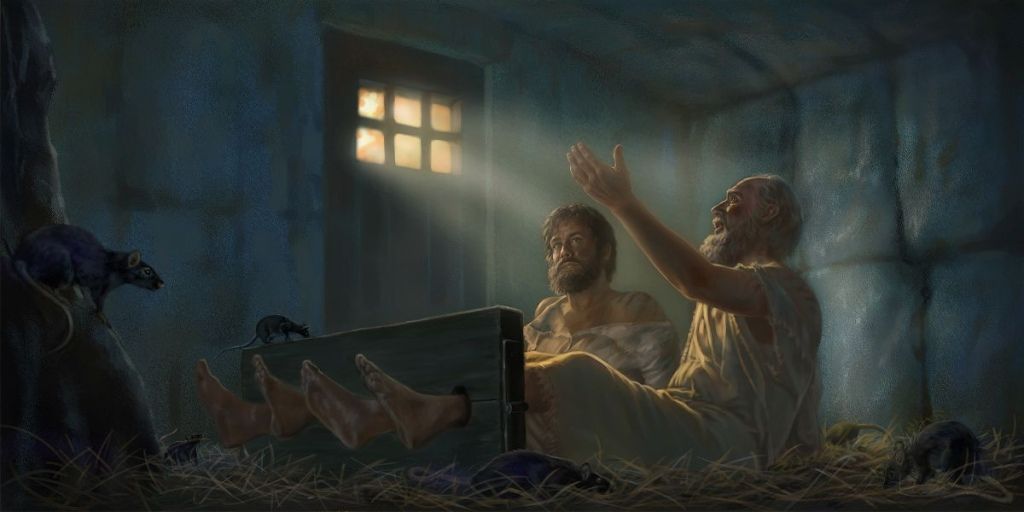
In Acts 16, we encounter a pivotal chapter in the early church’s journey, where we witness not only the spread of the gospel but also profound moments of divine intervention, unexpected encounters, and deep spiritual lessons. The apostle Paul, together with his companions Silas, Timothy, and Luke, travels through various cities, but it is in Philippi where their faith is tested in ways they couldn’t have imagined. Their journey offers us a powerful testimony of how God works in the midst of trials, how He brings freedom in unexpected places, and how faith can lead us to opportunities for miraculous transformation.
A Divine Calling: Guided by the Holy Spirit
Paul’s journey in Acts 16 begins with a sense of direction that is clearly guided by the Holy Spirit. In verses 6-10, we see that the apostle and his team were initially planning to go to certain areas, but the Spirit repeatedly closed doors. Instead of being frustrated or discouraged, Paul remained open to God’s leading, ultimately having a vision of a man from Macedonia calling for help. This vision is a reminder that God’s guidance doesn’t always follow our plans, but when we surrender to His leading, He directs our steps with purpose and intention.
Paul and his companions didn’t just “go” to Macedonia; they were led by God. They listened carefully and responded with obedience, trusting that God’s plan was unfolding in ways they could not yet see. How often do we find ourselves charting our own paths, only to face roadblocks? This passage challenges us to remember that God’s plan is far greater than our own, and sometimes, the closed doors are simply the result of a divine redirection.
The Encounter with Lydia: A Heart Open to the Gospel
When Paul and his companions arrive in Philippi, they don’t immediately go to the synagogue, as would be customary for Jewish believers. Instead, they go to the riverbank, where they find a group of women praying. Among them is Lydia, a wealthy and influential merchant of purple cloth. The Bible tells us that “the Lord opened her heart to respond to Paul’s message” (Acts 16:14). This powerful moment shows us that God is not limited by our expectations. Lydia’s conversion demonstrates that God’s reach is wide, and His invitation to salvation is extended to all—no matter their social status or background.
Lydia’s story is also a reminder that the gospel is for those who have open hearts, those who are seeking truth and willing to respond to God’s call. We might think that only the “unlikely” people—those on the margins or those who seem far from God—can experience transformation, but Lydia shows us that people from all walks of life are ready to receive God’s word. She didn’t just receive the gospel; she responded by opening her home to Paul and his companions, showing that a transformed heart leads to a transformed life of service.
Imprisonment and Praise: Worship in the Darkest Hours
The next event in Acts 16 is a powerful testament to the unshakable faith of Paul and Silas. After casting out a spirit of divination from a slave girl, they are falsely accused, beaten, and thrown into prison. Their response to this unjust treatment is nothing short of remarkable: at midnight, instead of lamenting their circumstances or giving in to despair, they begin to sing hymns and pray to God (Acts 16:25). This is a beautiful picture of faith that transcends circumstances.
The key here is that Paul and Silas chose to worship God in the midst of their suffering. Their physical chains were real, but they were not bound spiritually. They found freedom through worship, a freedom that comes not from circumstances but from the internal peace that only God can provide. How many of us, in moments of hardship, forget that praise can be a weapon? Worship has the power to shift our hearts, lift our spirits, and open our eyes to God’s presence in the midst of our struggles.
This moment of worship also became the setting for an incredible miracle. As Paul and Silas sang, “suddenly there was such a violent earthquake that the foundations of the prison were shaken. At once all the prison doors flew open, and everyone’s chains came loose” (Acts 16:26). God’s power is unleashed when His people worship in faith, and sometimes, the breakthrough we need comes when we focus less on the problem and more on the One who holds the solution.
The Conversion of the Jailer: From Despair to Hope
The miraculous earthquake leads to an unexpected opportunity for ministry. The jailer, terrified by the apparent escape of the prisoners, is on the verge of taking his own life, believing that he will be held accountable for the escape. But Paul, seeing his despair, stops him and reassures him that no one has escaped. The jailer, overwhelmed by the situation, falls at their feet and asks, “What must I do to be saved?” (Acts 16:30).
Paul and Silas respond with the simple yet profound message: “Believe in the Lord Jesus, and you will be saved—you and your household” (Acts 16:31). That night, the jailer and his entire household are baptized, marking the powerful transformation from a man on the brink of despair to a man filled with hope and joy. This conversion is a testimony to the truth that no one is beyond the reach of God’s grace. Even in the most dire of circumstances, God can bring new life and new beginnings.
This story challenges us to reflect on the power of the gospel to reach people in the most unlikely places and in the most unexpected ways. The jailer, a man who may have been hardened by his role, finds a new identity in Christ, and his life is completely transformed. It’s a reminder that God is not just interested in saving individuals but in transforming entire households, communities, and even cities.
Lessons for Us Today
As we reflect on Acts 16, there are several key lessons that we can apply to our own lives:
- God’s Guidance is Perfect: Just as Paul and his companions were led by the Holy Spirit in their journey, we too are called to trust in God’s perfect timing and direction. There may be times when doors are closed, but instead of growing discouraged, we are encouraged to listen for God’s voice and trust that He is guiding us toward His plan.
- Worship in the Storm: The example of Paul and Silas in prison teaches us that worship is not limited to moments of victory or comfort. True worship happens in the darkest of times, when we choose to focus on God’s faithfulness rather than our circumstances. It is in those moments of worship that we find true freedom.
- God Can Use Anyone: Lydia, the slave girl, and the Philippian jailer all show us that God can reach anyone, regardless of their past, their status, or their situation. The gospel is for all, and God is constantly at work in the hearts of people, preparing them for transformation.
- Faith Leads to Bold Action: The boldness of Paul and Silas in preaching the gospel, even in the face of persecution, calls us to stand firm in our faith and share the good news with those around us. Their willingness to endure hardship for the sake of the gospel is a powerful example of what it means to live out our faith with courage and conviction.
Conclusion: Walking in Freedom
Acts 16 offers us a powerful glimpse into the early church’s mission and the transforming power of God’s grace. It reminds us that true freedom doesn’t come from avoiding hardship or escaping difficult circumstances but from walking in the presence of God, trusting in His plan, and finding our hope in His love.
As we journey through life, let us embrace the freedom that comes from worshiping God in all circumstances, from trusting His guidance even when the path is unclear, and from boldly sharing His love with others. Just as Paul and Silas found freedom in their chains, may we, too, find the unshakable peace that comes from living fully surrendered to God.
Let us leave behind the chains of fear, doubt, and discouragement, and walk forward in the freedom that Christ offers—knowing that He is with us, even in the darkest of prisons, and that through Him, we are truly free.
“Believe in the Lord Jesus, and you will be saved—you and your household.” (Acts 16:31)
-
Calm Before the Storm
Holy Wednesday, nestled quietly in the middle of Holy Week, is often referred to as the “calm before the storm.” It is a day of subtle stillness, a moment suspended in time before the weight of the coming events bears down on the world. This day is not filled with grand celebrations or dramatic events, but it carries with it profound spiritual significance.
As we reflect on Holy Wednesday, we are drawn into the deeper truths of this day, which is shrouded in both anticipation and quiet contemplation. In the shadow of the approaching storm—the storm of betrayal, the trial, and the crucifixion—we find that Jesus, while fully aware of what was coming, spent this time in quiet preparation. He knew that the days ahead would be filled with immense suffering, yet He chose this moment to still His heart and align it fully with God’s will.
The calmness of Holy Wednesday serves as a powerful reminder of the importance of stillness in our own spiritual lives. In our busy world, we often overlook the moments of peace that come before hardship, but these moments are crucial for building the inner strength and peace we will need when the storms of life arise. Holy Wednesday is an invitation to pause—to take a step back and to reflect on our relationship with God, allowing the Holy Spirit to prepare our hearts for what is to come.
For Jesus, the stillness of this day may have been a time to focus on prayer and communion with the Father. He knew the storm of suffering that was soon to engulf Him, yet He did not rush to it. Instead, He rested in the peace of His Father’s presence. For us, this day asks us to follow His example. We may not be facing the same trials that Jesus did, but we all have our own struggles, challenges, and storms in life. Holy Wednesday calls us to embrace the moments of stillness, to quiet our hearts before the tumult of life takes over. It invites us to bring our burdens and uncertainties before God in prayer, to seek His strength and peace before the storms come.
On this day, we also remember the quiet plotting of Judas, whose betrayal was beginning to take root. There is a tension in the air, a sense of something imminent, something unavoidable. Yet, in this tension, we are reminded of the grace and mercy that will unfold through the suffering of the cross. It is a paradox: in the stillness and calm, the storm is already forming, yet it is through this storm that God’s love and redemption will be revealed.
Holy Wednesday reminds us that even in our most uncertain moments, God’s plan is unfolding. He is with us in the calm before the storm, and He will be with us through the storm itself. This day teaches us to trust that, just as Jesus was sustained in His quiet moments of prayer, we too can find peace and strength in God’s presence. We can trust that, though we walk through times of uncertainty and suffering, the peace of Christ will carry us.
Let us use Holy Wednesday to examine our own hearts and seek God’s stillness. In the midst of life’s inevitable storms, may we be reminded of His unwavering presence and the peace that only He can offer. And just as Jesus prepared Himself for what lay ahead, let us prepare our hearts through prayer, reflection, and trust in God’s perfect will.
In the silence of Holy Wednesday, may we experience the peace of knowing that God is always present, even in the most challenging times. The storm is coming, but it will not overwhelm us—because the love of Christ, poured out on the cross, will see us through every trial and every storm.
-
Gethsemane: The Place of Crushing and Surrender
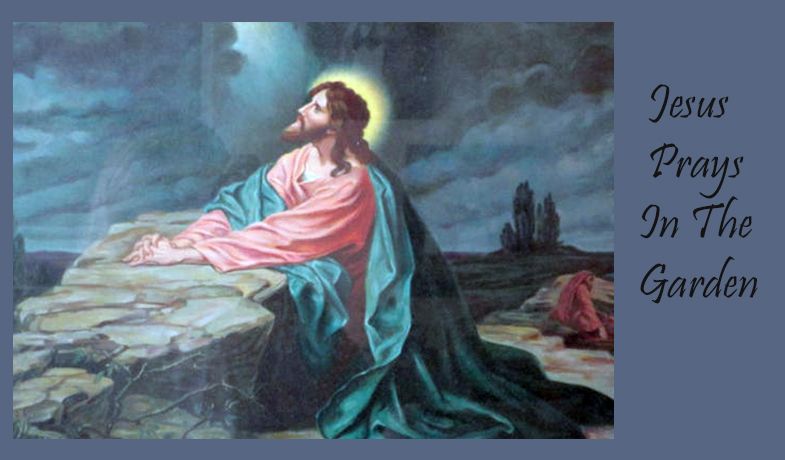
There are sacred moments in Scripture where time seems to stand still—where heaven leans in, and the soul is invited to listen more closely. One such moment is found in the Garden of Gethsemane, the night before Jesus was crucified. It is a scene of profound vulnerability, divine love, and ultimate surrender.
Gethsemane means “oil press”—a place where olives were crushed to extract oil. How fitting, then, that Jesus chose this place to pray, as He too would be pressed beyond what any human heart could bear. This garden was not one of escape or peace—it was the threshold of agony, the place where our Savior wrestled with the weight of His mission.
The Humanity of Christ
“He began to be sorrowful and troubled.” (Matthew 26:37)
Jesus was not immune to fear. Though fully divine, He was also fully human. And in this moment, the raw reality of what He was about to endure settled heavily on Him. The betrayal of a close friend, the unjust trial, the brutal crucifixion—but even more, the spiritual weight of bearing the sin of the world.
We often speak of Jesus as our example, and here He shows us what it means to be honest with our pain. He does not suppress His emotions or pretend to be strong. He brings His sorrow directly to the Father. There is no shame in anguish. There is no weakness in tears.
The Loneliness of Obedience
Jesus asked His closest friends—Peter, James, and John—to stay with Him, to keep watch and pray. But as He knelt in agony, they fell asleep.
“Could you not keep watch with Me for one hour?” (Matthew 26:40)
There is a loneliness that comes with obedience. Sometimes, the calling God places on your life will take you where others cannot follow. In the Garden, Jesus was surrounded, yet utterly alone in His burden. Still, He did not turn back. He prayed again—and again.
“Father, if You are willing, take this cup from Me. Yet not My will, but Yours be done.” (Luke 22:42)
This is not a passive resignation—it is a powerful act of surrender. It is one thing to obey when the path is easy; it is another when the cost is everything.
The Strength That Comes from Surrender
Luke tells us that an angel appeared from heaven to strengthen Him. Even in His sorrow, God provided what He needed to continue. He didn’t remove the cup, but He gave Jesus the strength to drink it.
That is often how grace works. We pray for the trial to pass, but sometimes grace comes in the form of endurance. Sometimes the miracle is not deliverance, but divine strength in the midst of the storm.
In your own Gethsemane moments—when the crushing weight of life feels unbearable—know this: you are not abandoned. God is not silent. The garden may feel dark, but angels still minister. Strength still comes. And purpose is still unfolding.
The Invitation to Watch and Pray
Three times Jesus returned to His disciples, and each time He found them asleep. Their bodies were weary, their spirits overwhelmed. And yet Jesus gently warns them:
“Watch and pray so that you will not fall into temptation. The spirit is willing, but the flesh is weak.” (Mark 14:38)
These words echo through the ages, still calling to us. In times of trial, are we watching? Are we praying? Or are we sleeping through the moments when we are called to stay awake in faith?
Jesus did not condemn them—He understood their weakness. But He invites us into a deeper awareness, a sacred attentiveness. To stay awake spiritually, to engage with God even when it’s hard. Especially when it’s hard.
The Garden Always Leads to Glory
Jesus rose from prayer with peace. He had wrestled, He had wept, and He had surrendered. And when the soldiers came with torches and swords, He did not run. He stepped forward. The decision had already been made in the garden.
The cross was not forced upon Him. It was embraced—out of love, for you and for me.
The Garden of Gethsemane reminds us that God is not distant from our pain. He has walked through sorrow, felt the sting of betrayal, and borne the weight of fear. And in that garden, He showed us how to pray—not to escape suffering, but to find God in the middle of it.
Your Gethsemane may look different. It may be a diagnosis, a broken relationship, a calling that feels too heavy to carry. But in that place, there is One who understands. There is One who kneels beside you, whispering, “Not My will, but Yours.”
Let your Gethsemane be the place where surrender becomes strength. Where prayer becomes power. Where the crushing becomes the anointing.
Because resurrection always begins in the garden.
-
The Parable of the Vineyard
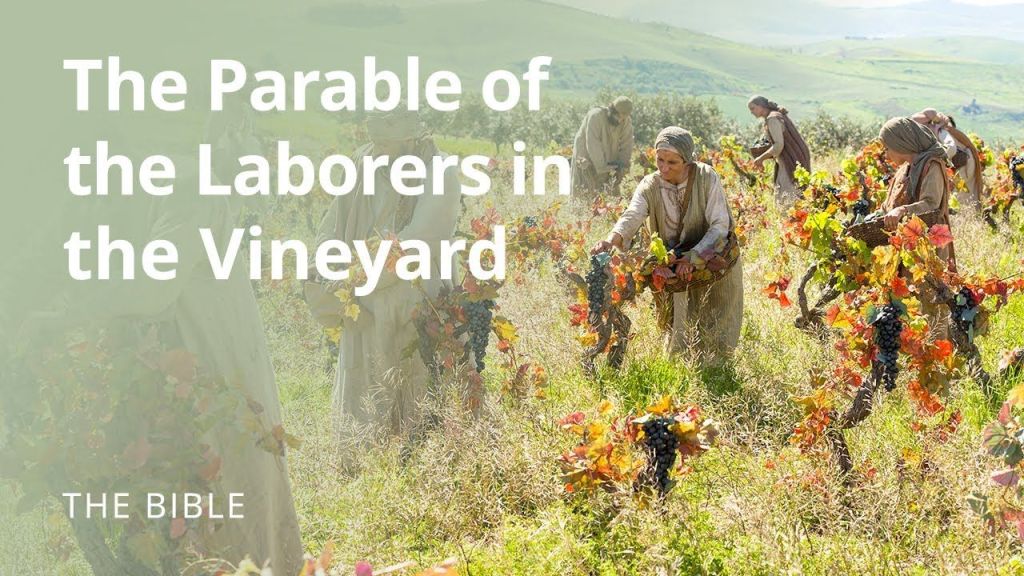
Matthew 20:1–16There’s a parable Jesus tells that I’ve always found both comforting and… unsettling.
It’s the story of a landowner who hires workers throughout the day to labor in his vineyard. Some start early in the morning. Others come at mid-day. A few are brought in just an hour before the workday ends. Yet when evening arrives, he pays them all the same wage.
Naturally, those who worked the full day begin to grumble. “This isn’t fair,” they say. “We’ve borne the heat and the burden, and they’ve barely broken a sweat.”
And maybe we agree with them. We live in a world that measures effort and rewards performance. We’re taught early on to earn our place, prove our worth, keep score.
But the landowner, representing God in this parable, says something that shifts the ground beneath all those expectations:
“Am I not allowed to do what I choose with what belongs to me? Or are you envious because I am generous?”
It’s a gentle, but piercing rebuke. And it reveals something deeper about how we see others, and perhaps, how we see God.
The Offense of Grace
What makes this parable so challenging is that it confronts the part of us that still believes we must earn love, or at least deserve more of it than someone else.
We might never say it out loud, but the thought lingers: I’ve worked harder, I’ve prayed longer, I’ve been more faithful… surely that must count for something.
But grace—true grace—isn’t fair. It’s better than fair. It doesn’t measure or compare. It doesn’t play favorites. It simply gives. And often, that generosity can feel scandalous to those who think they’ve “done more.”
But maybe that’s the point. This story isn’t really about wages. It’s about the heart of God.
A Kingdom of Welcome
What if the parable is less about fairness and more about invitation?
Every worker in the story had the same experience in one crucial way: they were called. The landowner came to them, found them idle, and gave them purpose. Whether early or late, each one was brought into the vineyard not because of merit, but because of the master’s desire to include them.
This story whispers hope to those who feel behind in life or faith. It reminds us that God isn’t tallying hours of devotion to determine who belongs. He is still walking through the streets, calling people in—even now, even late in the day.
Looking Inward
It’s easy to identify with the frustrated workers, especially if you’ve been walking the road of faith for a long time. We sometimes forget that everything we have—our calling, our strength, even our place in the vineyard—is a gift.
So maybe the invitation is twofold:
- To the early laborer: rejoice that you’ve been given a place to serve, and let your heart be softened by God’s mercy to others. Don’t let comparison rob you of gratitude.
- To the latecomer: don’t let shame or time convince you that you’ve missed your chance. The call still echoes. There is still room. The Master’s generosity is not limited by the hour.
The Vineyard Still Stands
This parable doesn’t wrap up with everyone happy. There’s tension in the ending, a choice left open. Will we celebrate the generosity of God—even when it extends to others in ways we didn’t expect? Or will we hold tightly to our idea of what is “fair” and miss the joy of what is good?
In the end, the vineyard is still open. The invitation still stands. And whether you came early or late, the welcome is the same:
Full. Free. Unshakably kind.
May we all find peace in that truth—and joy in watching others find their place in the vineyard, too.
Have you ever felt like a latecomer in life or faith? Or struggled with comparison on your spiritual journey? I’d love to hear how this story speaks to you. Leave a comment or reach out. Let’s walk the vineyard road together.
-
Breaking Barriers

Acts 10 is a powerful chapter that marks a turning point in the early Church, revealing God’s heart for all people. It tells the story of two men—Cornelius, a Roman centurion who feared God, and Peter, a devoted apostle still coming to understand the fullness of God’s plan. Through divine visions and supernatural encounters, God teaches a lesson that would change the course of history: His salvation is for all, without partiality.
Cornelius: A Man Seeking God
Cornelius was not a Jew, yet he was a devout man who prayed regularly and gave generously to the poor. The Bible says he was “a devout man who feared God with all his household” (Acts 10:2). One day, an angel appeared to him and said, “Your prayers and gifts to the poor have come up as a memorial offering before God” (Acts 10:4). This moment is profound because it shows that God hears the prayers of those who seek Him, regardless of their background.
The angel instructs Cornelius to send for Peter, who is in Joppa. Without hesitation, Cornelius obeys, demonstrating his faith even before fully understanding what God is about to do.
Peter’s Vision: A Shift in Perspective
Meanwhile, Peter experiences a vision that challenges his deeply ingrained beliefs. While praying on a rooftop, he sees a sheet descending from heaven, filled with animals considered “unclean” under Jewish law. A voice tells him, “Get up, Peter. Kill and eat” (Acts 10:13). Peter resists, saying, “Surely not, Lord! I have never eaten anything impure or unclean” (Acts 10:14). But the voice responds, “Do not call anything impure that God has made clean” (Acts 10:15).
This vision happens three times, signifying its importance. Initially, Peter is puzzled, but soon he understands: this is not just about food—it is about people. The Jewish-Gentile divide was deeply entrenched, but God was tearing down that barrier.
A Divine Encounter
When Cornelius’ men arrive, Peter, led by the Spirit, goes with them to Caesarea. Upon entering Cornelius’ home, Peter does something radical—he, a Jew, steps into the house of a Gentile, an act traditionally forbidden. Yet Peter proclaims, “I now realize how true it is that God does not show favoritism but accepts from every nation the one who fears him and does what is right” (Acts 10:34-35).
As Peter preaches about Jesus—His life, death, and resurrection—the Holy Spirit falls upon Cornelius and all who are listening. It is a Gentile Pentecost! The Jewish believers with Peter are astonished, realizing that God’s Spirit is not limited to one group of people. Cornelius and his household are baptized, officially welcomed into God’s family.
What This Means for Us Today
Acts 10 is more than a historical account—it is a challenge to our faith. It asks us to examine our own hearts and confront any barriers we have placed between ourselves and others.
- Are there people we hesitate to share the Gospel with because they seem “too different” from us?
- Do we carry biases, consciously or unconsciously, that prevent us from loving others as God does?
- Are we open to the leading of the Holy Spirit, even when He challenges our comfort zones?
Peter had to unlearn old ways of thinking to embrace God’s greater plan. The Gospel is not exclusive—it is for every nation, every background, every heart that seeks God.
Living Out the Message of Acts 10
God is still calling His people to step beyond cultural, social, and personal boundaries to share His love. He is still breaking down walls of division and calling His Church to be united in Christ.
Let this chapter be a reminder: No one is beyond God’s reach. His love and grace are for all, and He calls us to live like we truly believe it.
Are you willing to go where He leads?
-
Saul’s Conversion
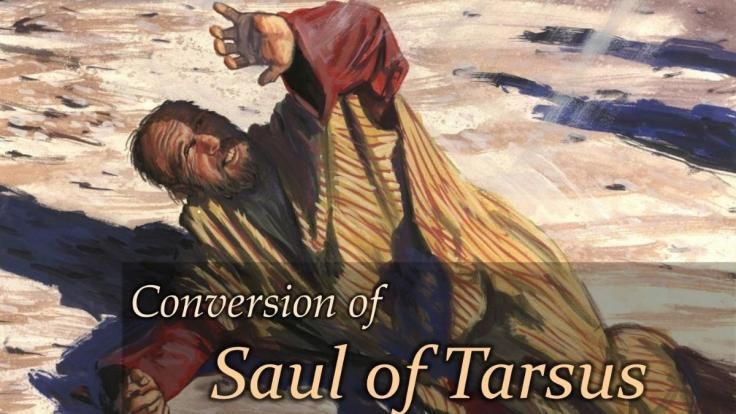
The story of Saul’s conversion in Acts 9 is one of the most powerful examples of God’s ability to transform lives. Saul was a man deeply committed to persecuting Christians, believing he was serving God by doing so. But on his way to Damascus, everything changed.
“As he neared Damascus on his journey, suddenly a light from heaven flashed around him. He fell to the ground and heard a voice say to him, ‘Saul, Saul, why do you persecute me?’” (Acts 9:3-4)
In that moment, Saul encountered Jesus Christ in a way that shattered his old beliefs and humbled him completely. Blinded by the light, he was led into the city, where he spent three days in darkness, fasting and praying. Imagine the thoughts running through his mind—realizing that the very people he had been attacking were the ones following the true Messiah.
But God had a plan. He sent Ananias, a disciple who was initially afraid of Saul, but obediently followed God’s instructions. When Ananias laid hands on Saul, something like scales fell from his eyes, and he regained his sight. More importantly, he was filled with the Holy Spirit, baptized, and immediately began proclaiming Jesus as the Son of God.
This story teaches us several important spiritual truths:
- No one is beyond God’s grace. Saul was an enemy of Christ, yet God chose him, proving that even the hardest hearts can be changed. If you feel like your past disqualifies you, remember that God specializes in redemption.
- God’s plans are greater than our own. Saul thought he was serving God by persecuting Christians, but he was actually fighting against Him. Sometimes, we are so convinced of our own path that we don’t see God’s bigger purpose. But He has a way of redirecting us.
- Obedience leads to breakthrough. Ananias had every reason to fear Saul, yet he obeyed God’s call to minister to him. Because of that obedience, Saul was healed and set on a new path. Sometimes, God calls us to step into uncomfortable situations, but obedience leads to miracles.
- Transformation requires surrender. Saul had to let go of his old identity and allow God to reshape his life. In the same way, we must be willing to release our past, our pride, and our own agendas to walk in the fullness of God’s plan.
By the end of Acts 9, Saul—now Paul—was boldly preaching the gospel, the very message he once tried to destroy. His life became a testimony to the power of God’s grace.
If God can turn a persecutor into a preacher, what can He do in your life? Maybe you feel like you’ve gone too far, made too many mistakes, or that change is impossible. But Saul’s story reminds us that no one is too lost for God’s love. He is calling you, just as He called Saul. The question is—will you answer?
-
The Bold Faith of Stephen
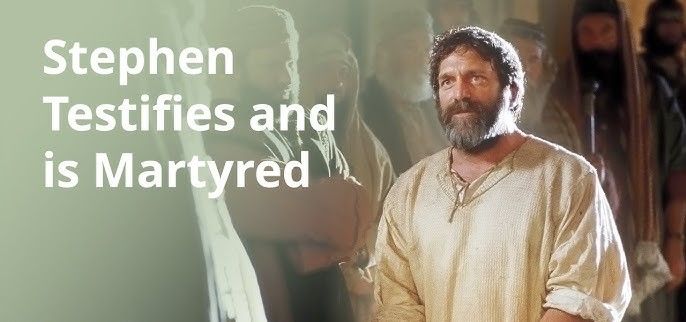
Acts Chapter 7 is one of the most powerful and poignant chapters in the book of Acts, offering us a glimpse into the life of Stephen, the first Christian martyr, and the depth of his faith. Stephen’s words and actions challenge us to examine our own relationship with God, the strength of our convictions, and our willingness to stand firm in the face of adversity.
In this chapter, Stephen addresses the Sanhedrin, the Jewish ruling council, boldly recounting the history of Israel to highlight how God has always been faithful to His people, even when they were unfaithful to Him. He begins by recalling God’s call to Abraham, the father of the Jewish nation, and continues by narrating how Joseph’s rise in Egypt, the Exodus, and the journey through the wilderness all pointed to God’s sovereignty. Stephen also highlights the disobedience of the Israelites throughout their history, showing that God’s people often rejected His messengers, including the prophets. But despite their repeated disobedience, God’s covenant remained steadfast.
Stephen’s message is more than a historical retelling—it is a deep theological statement about the nature of God and His plan for humanity. By showing that God’s presence cannot be contained within the confines of a building, Stephen challenges the religious leaders’ misplaced focus on the Temple in Jerusalem. He proclaims that God is not bound by human structures or traditions, and His presence can be found wherever His people are. This bold declaration shakes the very foundation of the religious establishment, which relied heavily on the Temple and the law to maintain their authority.
Stephen’s words pierce the hearts of his listeners, leading to their anger and eventual decision to stone him to death. But in his final moments, Stephen reflects the very heart of Christ. He prays, asking God to forgive those who are killing him, echoing Jesus’ words on the cross. His last words are a cry of surrender: “Lord Jesus, receive my spirit.” Stephen’s death marks the beginning of intense persecution for the early church, but it also serves as a powerful testimony of God’s grace and the unshakable faith that can sustain believers through the most extreme trials.
Acts 7 speaks to us about courage in the face of persecution and the unwavering conviction that God’s truth will prevail no matter the cost. Stephen’s willingness to speak the truth, even in the face of death, is a testimony to the transformative power of the Holy Spirit in a believer’s life. It reminds us that our faith is not just a private matter but a public proclamation of the gospel that may cost us everything.
The chapter also invites us to reflect on our own lives and how we view God’s presence. Are we, like the religious leaders, caught up in outward forms of worship, such as church attendance or religious rituals, without fully understanding the depth of God’s call to us? Are we open to the ways God might be working outside the confines of our expectations and traditions? Stephen’s sermon is a call for us to look beyond the surface and recognize that God is always at work in and through us, even when we face rejection or hardship.
Moreover, Acts 7 teaches us the value of a life fully surrendered to God’s will. Stephen’s death is not in vain; it becomes a seed for the growth of the early church. His martyrdom spurs the spread of the gospel beyond Jerusalem, and the witness of his life and death continues to inspire believers to this day.
In our own journeys, we may face opposition, ridicule, or even persecution for standing firm in our faith. But Acts 7 encourages us to stand boldly for the truth of the gospel, knowing that God’s promises are faithful and that our ultimate reward is in heaven. Stephen’s testimony reminds us that our lives are meant to be a reflection of Christ, and that by His strength, we can endure anything. Let us be empowered by the same Spirit that filled Stephen and allow our lives to be a bold testimony of God’s love and truth.
-
Acts Chapter 6
In Acts chapter 6, we encounter a crucial moment in the early church’s growth, where the apostles, faithful to their calling, face the tension between the rapid expansion of believers and the practical needs of the community. The church is growing, but with growth comes challenges—one of which is ensuring that everyone is cared for equally. Some widows, particularly those from the Greek-speaking community, were being overlooked in the daily distribution of food. This sparked a need for wise and spiritual leadership, and the apostles, guided by the Holy Spirit, took steps to address the issue in a way that would maintain unity and honor the body of Christ.
The apostles, committed to prayer and the ministry of the Word, knew they could not abandon their calling to focus solely on the practical aspects of the ministry. Instead of trying to manage everything themselves, they made the decision to appoint seven men, who were full of the Holy Spirit and wisdom, to oversee the daily distribution of food. These men, now known as the first deacons, would ensure that no one was neglected and that all needs were met within the community.
This chapter offers us profound spiritual lessons that are still incredibly relevant to our lives today:
1. Unity in Diversity: A Call to Serve All
In the early church, tensions arose between the Greek-speaking and Hebrew-speaking Jews. It was easy for division to form, as these two groups had different cultural backgrounds, languages, and traditions. However, the apostles’ response was not to allow these differences to create conflict. Instead, they sought to bring unity, understanding that diversity in the body of Christ is a strength. The early church chose seven men from both backgrounds to serve, ensuring that all groups were represented.
In our own lives, we can learn from the early church’s commitment to unity. In a world that often divides people based on ethnicity, culture, or background, the church is called to be a place where all are welcome, valued, and included. Unity doesn’t mean uniformity; it means embracing our differences and working together for the common goal of glorifying God and serving others. We must intentionally cultivate unity in our relationships, both inside and outside the church, by seeking to understand and support one another, regardless of our differences.
2. The Heart of Service: Reflecting Christ’s Love
The appointment of the seven deacons was not just a logistical decision—it was a demonstration of the importance of service in the kingdom of God. By choosing individuals full of the Holy Spirit and wisdom, the apostles were not just meeting practical needs; they were reflecting the heart of Jesus. Jesus Himself came not to be served but to serve, and this call to serve is central to our faith.
Service in the church is not merely about fulfilling a task—it is an act of love, a reflection of Christ’s humility and grace. Every act of service, whether it’s helping someone in need, supporting the ministry, or caring for others, is significant in God’s eyes. The apostle Paul reminds us in 1 Corinthians 12 that each member of the body has a role to play. No task is too small; every act of service builds up the body of Christ and furthers His kingdom. Through service, we embody the love of Christ and make His presence known in tangible ways.
3. Faithful Delegation: Empowering Others to Lead
One of the most profound aspects of Acts 6 is the apostles’ decision to delegate responsibility. They understood their own limitations and recognized that they could not do everything themselves. Rather than allowing their own ministry to suffer or neglecting the needs of the people, they entrusted others with the responsibility to serve. In doing so, they empowered others to fulfill their calling and to contribute to the health and growth of the church.
This is a powerful lesson in leadership. Often, we can feel the need to control every aspect of our work, ministry, or personal life. But true leadership is not about doing everything yourself; it’s about empowering others to use their gifts and talents for the benefit of the whole community. The apostles knew that by delegating responsibility, they were not only ensuring the needs of the church were met, but they were also encouraging others to grow in their faith and leadership abilities. God calls each of us to recognize our own limitations and to rely on others in a spirit of collaboration, trusting that He will work through the whole body to fulfill His purposes.
4. Spiritual Growth and the Power of Prayer
After the apostles appointed the seven men to handle the practical needs of the church, they were able to devote themselves fully to prayer and the ministry of the Word. This decision was not just about logistics—it was about prioritizing the most important aspects of their calling. The apostles knew that prayer and the Word were the foundation of their ministry, and through their dedication to these practices, the church would continue to grow spiritually.
When we, as individuals or as a community, prioritize prayer and the study of God’s Word, we open ourselves to deeper spiritual growth. Acts 6 shows us that spiritual growth is not just about numbers; it’s about depth. When we devote ourselves to prayer and the Word, we make room for God to work powerfully in and through us. This commitment to the spiritual disciplines equips us to serve others more effectively, as we rely on God’s wisdom and guidance.
5. God’s Faithfulness in the Growth of His Church
In the latter part of Acts 6, we see the results of the apostles’ decision: “The word of God continued to spread. The number of disciples in Jerusalem increased rapidly…” (Acts 6:7). This growth was not just in numbers but in the depth of faith, as the church was able to effectively meet both spiritual and practical needs. When we focus on serving others, delegating responsibilities, and remaining faithful to God’s calling, we open the door for Him to bless our efforts and bring growth.
This chapter reminds us that God is faithful to fulfill His purposes. As we prioritize His kingdom, trust in His provision, and commit ourselves to His service, He will bring about the growth and fruitfulness that we cannot achieve on our own. The church in Acts grew because it was marked by a spirit of unity, service, and faithfulness to God’s Word. Similarly, when we align ourselves with His will and step out in obedience, we too will see God move in powerful ways.
A Call to Action
Acts 6 is a powerful reminder of the balance between spiritual devotion and practical service. It calls us to examine our own lives: How are we serving those around us? Are we nurturing unity in the body of Christ? Are we delegating tasks and empowering others to step into their calling? Most importantly, are we devoted to prayer and the Word of God?
As we reflect on these questions, let us remember that the church is not a place for a few to do all the work—it is a community where each of us is called to play a vital role. Whether in small acts of service or in leading others with wisdom and humility, we are all called to contribute to the growth of God’s kingdom. May we, like the early church, be full of the Holy Spirit and wisdom, and may we serve with joy and faithfulness, knowing that God is using us to bring about His purposes.
-
Boldness & Truth

Acts chapter 5 presents a profound and sobering narrative that teaches us valuable lessons about holiness, integrity, and unwavering faith. In this chapter, we see the early church flourishing with miraculous signs and wonders, yet it is also a chapter that reminds us of the seriousness of sin, the need for personal integrity, and the cost of following Christ.
The story begins with the tragic account of Ananias and Sapphira. This couple, driven by pride and greed, deceived the apostles and lied about the amount of money they were donating from the sale of their property. Their deceit was not just against human beings but against the Holy Spirit, and as a result, they both faced immediate death. The sudden and dramatic consequence of their actions serves as a stark warning about the importance of honesty and integrity in our walk with God. It is a reminder that God sees the heart and that pretending to be something we are not, especially in matters of faith, carries serious repercussions.
The death of Ananias and Sapphira serves as a warning to us about the dangers of hypocrisy and the necessity of genuine obedience. God desires truth in our inner being (Psalm 51:6), and He will not tolerate deceit within His church. The Holy Spirit calls us to live in alignment with God’s will, not just in our public actions but in our private hearts. The early church was founded on a deep commitment to truth and unity, and anything less than this threatens the very fabric of the Christian community.
On the other hand, the apostles’ continued boldness in the face of persecution is truly inspiring. Despite the threats and opposition they faced, they remained steadfast in their mission to preach the gospel of Jesus Christ. Even after being arrested and warned not to speak in the name of Jesus, the apostles declared, “We must obey God rather than men” (Acts 5:29). Their courage was not rooted in their own strength but in their faith in God’s calling and the power of the Holy Spirit working within them.
The apostles’ response challenges us to examine our own lives. How often do we shrink back from speaking the truth or sharing our faith because of fear? Are we willing to suffer for the sake of the gospel? The apostles’ example calls us to live fearlessly, trusting that God will strengthen and protect us as we walk in His will. Their unwavering commitment to the message of Christ reminds us that the gospel is worth everything, and we should never compromise on its truth.
Acts chapter 5 also underscores the importance of the church being filled with the Holy Spirit. The apostles were able to perform signs and wonders because they were empowered by the Spirit, and their bold proclamation of Jesus’ resurrection was backed by divine authority. The power of the Holy Spirit is not just for miraculous acts, but for living with purity, courage, and purpose in a world that desperately needs the light of Christ.
As we reflect on Acts 5, we are reminded that living for God requires both honesty and boldness. Integrity in our actions, words, and hearts is essential, and we must constantly seek to align ourselves with God’s truth. We are also reminded of the need for unwavering faith in the face of opposition, following the example of the apostles who feared God more than man.
May we be a church that boldly proclaims the truth of Christ, empowered by the Holy Spirit, living with integrity, and ready to face whatever comes our way. Let us not be swayed by the pressures of the world, but rather live faithfully and courageously, trusting in God’s promises. Just as the early church experienced the power and presence of God, may we too experience a revival of His Spirit in our own lives, bringing glory to His name in all that we do.
-
Bold Faith

Acts Chapter 4 serves as a powerful reminder of the strength and courage that comes from unwavering faith in God. In this chapter, we witness the boldness of Peter and John as they stand firm in their conviction, even in the face of fierce opposition. They had just performed a miraculous healing in the name of Jesus Christ, which led to their arrest by the religious leaders. Despite being threatened and warned not to speak or teach in the name of Jesus, Peter and John declared with unwavering faith, “We cannot help speaking about what we have seen and heard” (Acts 4:20).
This powerful declaration is not just a testament to their courage, but also to their deep connection with the Holy Spirit. In the face of hostility, they boldly proclaimed the truth of Christ, knowing that their power and authority did not come from themselves, but from God alone. They recognized that their mission was bigger than themselves—it was about proclaiming the gospel and advancing God’s kingdom. Their faith in Jesus Christ allowed them to stand firm, no matter the consequences.
As followers of Christ, we are called to live in this same boldness, trusting that the Holy Spirit will empower us to speak the truth even when it is unpopular or difficult. Just as the apostles were filled with courage, so too can we rely on the strength that comes from the Holy Spirit. Acts 4 is a reminder that we are never alone in our walk of faith; God equips and empowers us to be witnesses of His love, grace, and power.
Another striking aspect of Acts Chapter 4 is the sense of unity among the early believers. In verses 32-35, we see that the early church was of “one heart and one mind.” The believers shared everything they had, selling possessions and giving to anyone in need. This radical generosity and selflessness were expressions of love and unity within the body of Christ. It wasn’t about individual gain or recognition—it was about caring for each other as a family, supporting one another, and ensuring that no one lacked anything.
This profound sense of community is something we can learn from today. In a world where individualism and competition often take center stage, Acts 4 calls us to prioritize unity, selflessness, and love. The early church didn’t just preach the gospel—they lived it out through their actions, by being the hands and feet of Christ in a world desperately in need of His love. The generosity they displayed wasn’t about the size of the offering, but the heart behind it—an offering of love and care for one another.
In our modern context, how can we apply this sense of unity and generosity? It starts with simple acts of kindness and selflessness. Whether it’s supporting a friend in need, giving to charity, or even just sharing a kind word, we have the opportunity to be the body of Christ to those around us. By living with open hands and a compassionate heart, we reflect the love of Christ to a hurting world.
Finally, Acts 4 teaches us about the power of prayer. After being released from their imprisonment, the apostles gather with fellow believers to pray for boldness and strength. Their prayer isn’t for protection from suffering but for the courage to continue proclaiming the gospel despite the threats. “Now, Lord, consider their threats and enable your servants to speak your word with great boldness” (Acts 4:29). This prayer is a beautiful example of how our prayers should not be self-centered but focused on fulfilling God’s will. When we align our hearts with His purpose, we invite His power to move in our lives.
As we reflect on Acts Chapter 4, may we be inspired by the bold faith of Peter and John, the radical generosity of the early church, and the power of prayer. Let us strive to be a people who speak the truth with courage, live in unity and love, and seek God’s strength to carry out His mission. Just as the apostles were filled with the Holy Spirit, may we also be filled with His presence, so that we too can boldly declare the message of Jesus Christ to the world around us.
 Way & Soul