
“Love the Lord your God with all your heart and with all your soul and with all your mind.”
Matthew 22:37
-
Restoration & Healing
In Acts 3, we are invited to witness a profound demonstration of God’s power, grace, and mercy. Peter and John, filled with the Holy Spirit, encounter a man who has been crippled from birth. Every day, this man sat at the temple gate, begging for alms—relying on the kindness of others for his survival. His world was one of limitation, waiting for the next handout, resigned to a life of dependence and despair.
But God had a different plan. When Peter and John approached him, the man likely expected another coin, another moment of temporary relief. Instead, he was about to experience something far greater—he was about to be healed. Peter, boldly declaring, “In the name of Jesus Christ of Nazareth, walk,” reached out and lifted the man up. Immediately, his feet and ankles became strong, and he leaped to his feet, walking and praising God as he entered the temple.
This moment of physical healing is a powerful sign of the spiritual healing that Jesus offers to all of us. The man’s transformation wasn’t just about walking—he was restored in mind, body, and spirit. His encounter with Jesus through the apostles was not just a miraculous healing; it was a divine invitation to experience the fullness of God’s restoration.
In many ways, we are like the beggar. We find ourselves crippled by sin, by brokenness, by guilt, and by shame. We often turn to temporary fixes—things or people that offer us momentary relief but never truly change our condition. Yet, just as the man at the gate was lifted up, so too can we be lifted out of our spiritual poverty when we encounter the healing power of Christ.
Peter’s words to the crowd in Acts 3:19 echo through time, calling each of us to “repent, then, and turn to God, so that your sins may be wiped out, that times of refreshing may come from the Lord.” Repentance is not about shame or punishment; it is about turning toward the One who offers true restoration. It is about allowing God to lift us up from our brokenness and into the abundant life He has promised.
The healing that the beggar experienced was not just a physical miracle—it was a spiritual awakening. He could now walk, leap, and praise God, demonstrating the kind of new life that is available to all who believe. Just as the beggar was no longer bound by his former limitations, we too can be set free from the chains of sin and despair, walking in the freedom and fullness of God’s love and grace.
Let this passage be a reminder to us that no matter how long we’ve been in our place of struggle, healing is available through Jesus Christ. Our brokenness does not define us; God’s love and power do. We don’t have to stay stuck in a cycle of dependence on the temporary things of this world. We are invited to rise, walk, and leap with joy as we experience the complete restoration of our hearts, minds, and souls through Christ.
So, like the healed man in Acts 3, let us respond with praise and gratitude, recognizing that every step we take in faith is a step closer to the fullness of life God intends for us. Let us be bold in our belief that in Christ, we can rise above our circumstances and walk in the healing and freedom He offers.
-
Reconciliation

Romans 5:9-10 holds a profound truth that speaks to the very heart of our faith:
“Since we have now been justified by his blood, how much more shall we be saved from God’s wrath through him! For if, while we were God’s enemies, we were reconciled to him through the death of his Son, how much more, having been reconciled, shall we be saved through his life!”These verses remind us that at one point, we were alienated from God—living in rebellion, enemies to the Creator. But through the blood of Jesus, everything has changed. God, in His infinite love, took the initiative to reconcile us to Himself. Christ’s sacrificial death on the cross bridged the divide caused by our sin. We were far off, but through Jesus, we are brought near.
We often hear of salvation in terms of being saved from the consequences of sin, but Romans 5:9-10 invites us into a deeper understanding. It speaks not just of justification—being made right with God—but of the abundant, ongoing life that is available to us through Christ. When we were His enemies, He made the way for peace. Now, as His reconciled children, we are assured that this peace will not only carry us through this life, but will save us completely in the life to come.
The beauty of this passage lies in the “how much more” nature of God’s grace. If He has already reconciled us through Christ’s death, how much more will He continue to keep us and transform us through His resurrection? If He gave His Son to die for us while we were lost, how much more will He empower us to live a victorious life through His risen power?
Let this truth sink deeply into your soul today: no matter where you’ve been or what you’ve done, you are not just forgiven, you are reconciled. You are not just a sinner saved from wrath, but a beloved child invited to live in the fullness of God’s love. Jesus’ sacrifice has changed everything. It has transformed our standing before God and it is constantly at work, making us more like Him. We are saved through His life, and that life is continually shaping ours.
As you reflect on these powerful verses, let them lead you to a place of awe and gratitude. Remember that the work of salvation is not a one-time event; it is an ongoing, powerful reality. You are justified, you are reconciled, and you are saved—not by anything you’ve done, but because of God’s grace poured out through Jesus Christ. Rejoice in this truth today, and live in the peace and power that comes from being fully reconciled to your Heavenly Father.
-
Starting the New Year Different

As the calendar turns and we step into a new year, we often reflect on the past and make plans for the future. But what if, instead of focusing solely on resolutions or goals, we chose to start this year different—with a renewed sense of spirit and purpose?
This year, let’s begin by reconnecting with the deeper essence of who we are. Beyond the external achievements and the hustle of daily life, there lies a quiet, powerful presence within each of us. It’s a spirit that guides, heals, and reminds us of the interconnectedness of all things. By centering ourselves in this sacred truth, we unlock a deeper potential for growth, peace, and love.
Starting different means embracing the present moment. Instead of rushing to the next task or striving for the next milestone, let’s pause, breathe, and appreciate where we are right now. Let’s cultivate gratitude for the lessons of the past, the gifts of today, and the promise of tomorrow. When we start from a place of mindfulness and compassion, we open the door to true transformation.
Let us also start this year by letting go. Let go of fears, regrets, and doubts that weigh us down. Release old patterns and stories that no longer serve us. By making space within, we allow new energy to flow in, bringing with it clarity, strength, and joy.
As we begin this new journey, let’s commit to nurturing our inner selves. Whether through prayer, meditation, or simply moments of quiet reflection, let us prioritize our spiritual well-being. When our inner world is nourished, it reflects outwardly in all our relationships, actions, and endeavors.
This year, let’s start different by remembering that true success isn’t measured by what we achieve externally, but by the peace we cultivate internally. When we live from a place of authenticity, love, and mindfulness, we naturally align with our highest purpose.
So, let this be the year you begin differently—not with new habits or resolutions, but with a renewed connection to your soul. May this year be filled with spiritual growth, deeper peace, and boundless love.
-
Peace on Earth
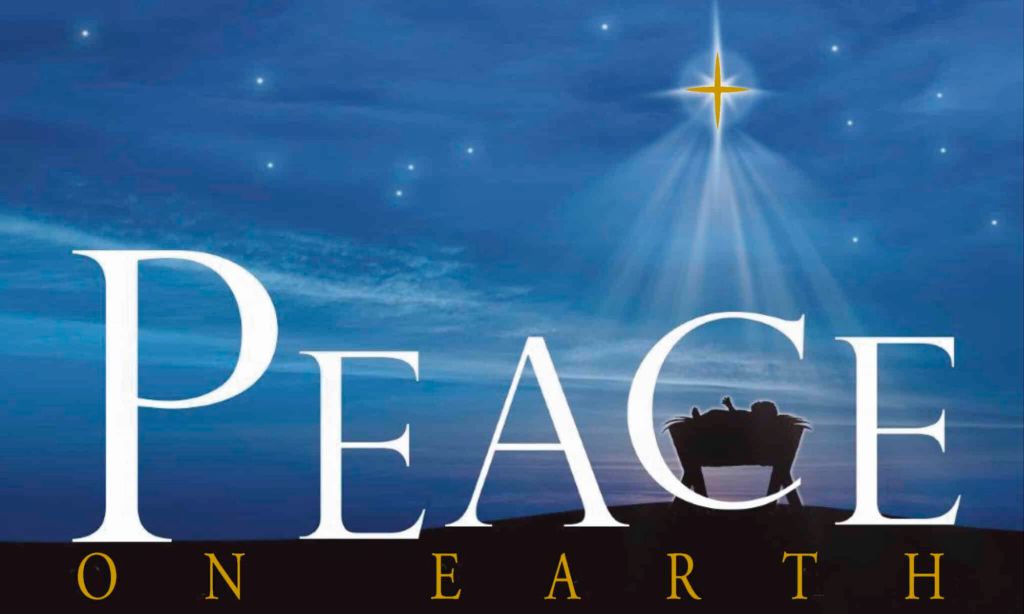
As we gather to celebrate the birth of Jesus, let us pause for a moment to reflect on the true essence of this sacred occasion—the arrival of peace on Earth. On that holy night, in a quiet manger, a child was born who would change the course of history and offer the world a gift far greater than anything material—peace.
The angels’ song, “Glory to God in the highest, and on earth peace, goodwill toward men,” proclaimed a divine promise that continues to resonate through the ages. In the birth of Jesus, the world was given more than just the hope of salvation. We were given the promise of peace—peace not as the world gives, but peace that transcends all understanding. This peace is not a fleeting feeling or a temporary cessation of conflict, but a deep, abiding presence that enters our hearts and souls, transforming us from the inside out.
In the heart of the Christmas story, we find a powerful paradox. Jesus, the Prince of Peace, was born not into a world of comfort and luxury but into a world of struggle and hardship. He entered this world in a humble manger, surrounded by poverty, oppression, and fear. Yet, His presence brought the possibility of peace into the darkest corners of human existence. He did not come with the might of armies or the authority of kings, but with the gentle humility of a child, showing us that peace is not found in power or status, but in love, compassion, and humility.
The peace that Jesus brings is not an external peace that depends on the circumstances of the world, but an inner peace that comes from knowing we are deeply loved by God. It is a peace that surpasses understanding, a peace that comforts our hearts in times of trouble and assures us that we are never alone. This peace invites us to rest in God’s perfect plan, trusting that no matter what challenges we face, His love will guide us through.
This Christmas, as we reflect on the birth of Christ, let us open our hearts to the peace He offers. Let us remember that peace is not just a concept to be admired from afar, but a gift to be actively embraced and shared. It calls us to make room for it in our own lives, to extend kindness to those who may be suffering, to forgive those who have wronged us, and to show grace and understanding in our relationships. The birth of Jesus invites us to live out the message of peace—not as something passive, but as something transformative that compels us to be agents of change in the world.
In a world that often feels divided and broken, the message of Christmas reminds us that true peace begins with us. It begins when we choose to follow Christ’s example of love, compassion, and forgiveness. It begins when we allow His peace to fill our hearts, and in turn, extend that peace to others. The peace that Jesus offers is not just for Christmas—it is for every day. It is for every moment when we choose to live in His light, to embody His love, and to reflect His grace.
Let this Christmas be a reminder that the peace we seek is already available to us through Jesus Christ. As we celebrate His birth, may we also celebrate the peace He brings into our lives, knowing that through His love, we are reconciled to God and to one another. Let His peace reign in our hearts, and let it overflow into the world around us, bringing healing, unity, and hope to all.
May the light of Christ shine brightly in your heart this season, illuminating the path to true peace. May His peace fill your spirit and spread hope to those around you. And may we, as His followers, be bold in our efforts to bring peace on Earth by living out His love in every moment.
Merry Christmas, and may the peace of Christ be with you always.
-
Glorious Day

On a silent night in a small, humble town called Bethlehem, a world-changing event took place. It was a night that seemed ordinary at first glance, yet in the heavens, a glorious chorus of angels sang a new song of peace and goodwill to all. A child, wrapped in swaddling clothes and lying in a manger, was born to a young mother named Mary and a carpenter named Joseph. This child, though a baby, was the promised Messiah—the Savior of the world, who had come to bring redemption, hope, and light into the darkness.
This was no ordinary birth. It was the moment when heaven itself touched the earth, and the Creator of the universe chose to enter into His own creation. The King of Kings did not arrive in a palace, but in a stable. The great I Am, who spoke the world into existence, chose to come as a helpless infant, dependent on human hands for care and love. It was a divine paradox, where humility met majesty, and weakness was clothed in strength. This was the birth of Jesus, the Son of God, and it marked the beginning of the most significant story ever told.
The Fulfillment of Promise
For centuries, God’s people had waited, hoped, and prayed for the coming of a Savior. From the moment humanity fell into sin in the Garden of Eden, God promised that He would send someone to restore what had been broken. Through the prophets, He spoke of a coming King who would bring salvation, justice, and peace. And on that Glorious Day, in the stillness of that stable, the promise was fulfilled. Jesus was born, not as a conqueror of nations, but as the humble servant who would conquer sin and death for all who believe in Him.
His birth was a declaration of God’s love for humanity. It was God saying, “I will meet you where you are. I will walk with you through your struggles. I will share in your joys and your sorrows.” In the person of Jesus, God was not distant or detached, but near and intimately involved in the lives of His people. He came to heal, to forgive, to restore, and to offer the gift of eternal life.
A Glorious Day of Hope
The birth of Jesus was not just an event in history; it was the dawn of a new reality. Before He came, the world was broken, filled with pain, suffering, and separation from God. But through His birth, death, and resurrection, Jesus made a way for us to be reconciled to our Creator. In the manger, we see a symbol of the hope that Jesus brings to all who trust in Him. He came to be our light in the darkness, our hope in despair, and our peace in the midst of chaos.
The angels announced this good news to the shepherds, lowly men who were among the first to witness the glory of God. “Do not be afraid,” the angels said. “I bring you good news that will cause great joy for all the people.” And this joy was not just for a select few but for everyone. Jesus’ birth was for the rich and the poor, for the Jew and the Gentile, for the strong and the weak. It was for you, and it was for me.
The Light that Overcomes the Darkness
The world into which Jesus was born was a world filled with darkness: political oppression, social injustice, and spiritual emptiness. Yet, in the midst of that darkness, a single light shone forth—a light that no darkness could overcome. The light of Christ entered the world that night, and it continues to shine brightly today. His light reveals the truth of who we are, who God is, and the way to eternal life.
As we celebrate His birth, we are reminded that this light is not just a historical event but a present reality. Jesus is the light of the world, and He calls each of us to reflect that light in our own lives. In a world that often feels dark and uncertain, we are invited to carry the light of Christ with us, to be beacons of hope, love, and peace wherever we go.
A Glorious Day of Love and Peace
The true message of Christmas is love. Love that took on flesh in the form of a baby. Love that lived among us, taught us, and ultimately died for us. This love is not a fleeting feeling or an abstract concept; it is a tangible, sacrificial love that transforms lives.
Jesus came to show us how to love: to love God with all our heart, soul, and mind, and to love our neighbors as ourselves. His life was a perfect example of love in action—healing the sick, feeding the hungry, comforting the brokenhearted, and forgiving the unforgivable. And He calls us to do the same.
The peace that Jesus brought into the world is not merely the absence of conflict, but the presence of wholeness, reconciliation, and right relationship with God. Jesus is our Prince of Peace, and He offers us peace not as the world gives, but as only He can give—a peace that surpasses understanding and guards our hearts and minds in times of trial and trouble.
A Call to Rejoice
This Christmas, as we reflect on the Glorious Day of Jesus’ birth, let us remember that it is more than just a day to exchange gifts or enjoy time with family. It is a day to celebrate the greatest gift ever given—the gift of Jesus Christ, who came to give us life, hope, and joy.
Let us take a moment to pause and rejoice in this incredible truth: that God, in His infinite love and mercy, chose to be with us. He chose to come down to our level, to experience our struggles, and to offer us the gift of salvation. The birth of Jesus is the fulfillment of God’s promise to be with us, to never leave us nor forsake us, and to give us a hope that can never be shaken.
So, this Christmas, let us join with the angels in singing praises to God. Let us celebrate the Glorious Day when Jesus was born—when love entered the world, when hope became flesh, and when God’s grace was poured out on all.
The Savior is born. The light is here. And this is, indeed, a Glorious Day.
-
Go Tell It On The Mountain

Christmas is a time of awe and wonder, a sacred season where the divine enters into the ordinary, where the eternal becomes tangible, and where hope is born anew. And the message of Christmas, like the star that guided the wise men, calls us to look beyond ourselves and share this glorious truth with the world: God is with us.
“Go tell it on the mountain” is not just a joyful refrain; it’s a call to action, a reminder of the great announcement that first echoed across the hills of Bethlehem. The Savior was born—on a quiet night, in a humble manger—and yet this miracle was meant for all to hear. The angels declared it, the shepherds rushed to see it, and the whole world would be changed because of it.
Today, we too are invited to “go tell it on the mountain.” Whether we stand on literal hills or in the everyday moments of our lives, we are called to share the truth of Christmas: that love came down in the form of a child, that peace is possible, and that joy is available to all who believe.
This message is not just for us to receive—it is for us to carry, to proclaim, to embody. It’s not just about the presents, the trees, or the songs—it’s about a Savior who calls us to love one another as He has loved us. Christmas is a reminder that we are not alone, that in our darkest moments, light shines through, and that hope is always on the horizon.
So, as we celebrate this season, let us remember that we are bearers of good news. Whether we share it in the quiet corners of our homes, through acts of kindness, or with bold voices in the streets, we are called to “go tell it on the mountain.” Let the world know that God’s love has come near, that the Savior is born, and that peace is here.
This Christmas, let’s not just keep the good news to ourselves. Let’s share it with joy, with love, and with hope that the world might hear and believe. Go tell it on the mountain!
-
Job 13:13

“Keep silent and let me speak; then let come to me what may.” – Job 13:13 (NIV)
Job’s words in this verse are not just a request for silence, but a declaration of his willingness to face the unknown, no matter how painful or confusing it might be. At this moment in the story, Job is enduring immense suffering. His body is wracked with disease, his heart broken by loss, and his mind burdened with unanswered questions. He is surrounded by friends who offer little comfort, each with their own theory about why he’s facing such hardship. Yet in the midst of this turmoil, Job boldly says, “Keep silent and let me speak; then let come to me what may.”
This verse reveals something incredibly powerful about the human spirit and the nature of trust in God. Job’s statement is not a plea for pity or sympathy. It is a moment of raw honesty, where he chooses to stand before God and declare his intention to seek truth and to confront whatever comes next. It is as if Job says, “I am not running away from this pain. I will face it head-on. I will trust that God, in His wisdom, has a purpose even in the depths of my suffering.”
In many ways, Job’s words reflect the tension we often feel in the midst of our own trials. We, too, want to make sense of our pain. We ask God why we are going through such hardship, why it seems as if the world around us is crumbling. In those moments, we might feel overwhelmed and unsure of how to move forward. But Job’s declaration challenges us. He shows us that in the midst of suffering, there is a place for honest, even messy, conversations with God.
Job’s willingness to speak before God, even in the midst of his confusion and pain, shows that God does not shy away from our questions, nor does He require us to be perfect in our responses. God welcomes our honesty, our frustration, and our cries. Job’s silence toward his friends is contrasted with his desire to speak directly to the Lord. He chooses to focus on what truly matters—his relationship with God and his desire to understand.
There is also a deeper lesson in Job’s words: the recognition that whatever comes, he will face it in the presence of God. Job’s courage comes from the understanding that even in the most uncertain moments, God remains sovereign. Though Job does not have all the answers, he still chooses to trust in God’s ultimate wisdom and purpose. His declaration is not one of despair, but of a profound act of faith. Job acknowledges that whatever the outcome, God’s plan is greater than his current understanding.
In our own lives, we may not always have the answers to why we suffer or why things happen the way they do. But like Job, we can choose to stand firm, knowing that God’s wisdom is beyond our comprehension, and His grace is sufficient to sustain us. When we face moments of hardship, we too can come before God with our doubts, our fears, and our pain, trusting that He sees us and understands even when we do not.
Job’s journey is a reminder that the road of faith is not always smooth. It is a path that may lead through pain and confusion. But it is also a path that leads to a deeper reliance on God. Job teaches us that even in the darkest times, we do not have to face our trials alone. God is present with us, even in the silence, and He will bring us through, just as He brought Job through his suffering.
So, in the midst of your own trials, remember Job’s courage. Like him, we can choose to stand before God, speak our hearts, and trust that whatever comes, we are not abandoned. Let us have the faith to declare: “Let come what may, I will trust in God’s purpose, His sovereignty, and His love for me, no matter the storm.”
-
God’s Kingdom on Earth
As we reflect on the teachings of the Bible, it becomes clear that Christianity invites us to focus not just on reaching Heaven after death, but on the transformative mission of bringing God’s Kingdom to Earth. The Bible challenges the conventional notion of merely “going to Heaven,” urging us to actively participate in making God’s reign visible here and now.
Key Insights on the Kingdom of God:
🌍 Heaven on Earth: The phrase “going to heaven” does not appear in the Bible. Instead, Scripture emphasizes that the Kingdom of God is a present reality, growing and expanding in the world. This means Heaven is not a distant, unreachable realm, but a powerful force that is transforming the Earth.
🌱 The Growing Kingdom: Jesus began the Kingdom of God on Earth, and as believers, we are called to actively participate in its growth. The Kingdom of God is a work in progress, and every act of kindness, justice, and love contributes to its expansion.
🏥 The Church’s Role: Historically, the Church has played a pivotal role in advancing society—through education, healthcare, and social justice—showing that the values of the Kingdom of Heaven can be lived out in tangible ways.
🎶 Worship as a Foretaste of Heaven: Our worship and communal gatherings are a glimpse of Heaven on Earth. In these moments, we experience God’s presence and His Kingdom coming near to us, fostering unity and spiritual renewal.
📖 The Gospel’s True Message: The central message of Christianity is not just about individual salvation but about Christ’s kingship and His mission to establish His Kingdom here on Earth. As Christians, we are called to recognize Christ as King and to engage in the work of His Kingdom.
⚔️ Believers as Soldiers: We are called to be soldiers in God’s Kingdom, standing firm against spiritual adversaries and actively advancing His purposes in the world. The Church serves as a stronghold where we are equipped for this divine mission.
🗺️ Finding a Kingdom-Centered Church: For those seeking to be part of a community dedicated to spreading God’s Kingdom, many mainline Protestant congregations align with this Kingdom-centered theology, emphasizing the active work of God in our world today.
The call is clear: Let us not wait for Heaven but work alongside God to bring His Kingdom to Earth. Through our faith, our actions, and our love for one another, we have the privilege and responsibility of being agents of God’s Kingdom. Let us live out His will, here and now, as it is in Heaven.
-
Onward in The Faith – Hebrews 12

Hebrews 12 is a powerful chapter that touches on themes of endurance, discipline, and spiritual maturity. Written to encourage and strengthen believers, the chapter outlines a path for Christians to follow in the midst of trials, offering both correction and hope. By looking at the broader context of Hebrews and unpacking the teachings of this chapter, we can deepen our understanding of how to live a life of faith that endures and glorifies God.
The Race of Faith (Hebrews 12:1-2)
The opening verses of Hebrews 12 use the metaphor of a race to describe the Christian journey. The author encourages believers to “lay aside every weight, and sin which clings so closely,” and to “run with endurance the race that is set before us” (Hebrews 12:1, ESV). The image of a race speaks to the need for focus, perseverance, and the shedding of anything that would hinder spiritual growth.
- Lay Aside Weights and Sin: Every runner in a race knows that to succeed, they must not be burdened by unnecessary weight. Similarly, in our spiritual lives, the “weights” may refer to distractions, unhealthy attachments, or anything that slows us down, while “sin” is what entangles us, keeping us from running with freedom. The challenge is not merely to avoid sinful behaviors, but to deliberately let go of anything that might prevent us from fully pursuing Christ.
- Endurance: This is a key aspect of the race. The Christian life is not a sprint, but a marathon. It requires endurance, steadfastness, and continual reliance on God. The writer of Hebrews reminds us that we are not alone in this race. We are surrounded by a “great cloud of witnesses” (Hebrews 12:1)—the saints of old who have persevered in faith, now cheering us on.
- Looking to Jesus: The ultimate focus of our race is Christ Himself. Hebrews 12:2 says, “looking to Jesus, the founder and perfecter of our faith.” Jesus is both the initiator and the finisher of our faith journey. His life, death, and resurrection are the foundation of our hope. He endured the cross, despising its shame, and is now seated at the right hand of God. His endurance provides the model and the strength we need to press forward in our own lives.
God’s Discipline as Evidence of His Love (Hebrews 12:3-11)
One of the most important teachings in Hebrews 12 is the concept of divine discipline. The author reminds us that God’s discipline is not a sign of rejection, but of love and fatherly care. Verses 3-11 explain that just as earthly fathers discipline their children for their good, so God disciplines us for our spiritual well-being.
- Endurance Through Discipline: The writer encourages believers to consider Jesus’ own endurance and how He “endured from sinners such hostility against himself” (Hebrews 12:3). This comparison serves to encourage believers that their own struggles are not without purpose. Just as Christ endured suffering for the joy set before Him, we, too, must endure hardships knowing that they shape our character.
- God’s Purpose in Discipline: Verses 6-7 state, “For the Lord disciplines the one he loves, and chastises every son whom he receives.” Discipline is not punitive but corrective, aimed at our holiness. Hebrews 12:10 further explains that while earthly fathers discipline us for a short time, God disciplines us for our eternal good—”that we may share his holiness.”
- Peaceful Fruit of Righteousness: The ultimate result of God’s discipline is the “peaceful fruit of righteousness” (Hebrews 12:11). The discomfort or hardship we experience is temporary, but the outcome—spiritual growth and maturity—is lasting. It is in the training of God that we are shaped into the image of Christ.
Strengthening Weak Hands and Feeble Knees (Hebrews 12:12-13)
After addressing the need for endurance and discipline, the author encourages believers to strengthen their faith in the face of difficulty. Hebrews 12:12-13 states, “Therefore lift your drooping hands and strengthen your weak knees. Make straight paths for your feet.” These verses remind us that when we face spiritual fatigue or discouragement, we are to take action to restore our strength.
- Practical Steps in Strengthening Faith: Strengthening weak hands and knees is a metaphor for revitalizing one’s spiritual walk. This can involve returning to the Word of God, deepening our prayer life, or reaching out for support from the community of believers. It is a call to do the work of maintaining spiritual health, even when we feel weak or weary.
- Pursuit of Peace and Holiness: In verse 14, the author stresses the importance of pursuing peace with everyone and the holiness without which “no one will see the Lord.” Holiness is not an optional aspect of the Christian life—it is essential. This pursuit of peace and holiness requires intentionality and is only possible through the power of the Holy Spirit.
The Unshakable Kingdom (Hebrews 12:18-29)
The final section of Hebrews 12 contrasts the old covenant with the new, showing that the Christian’s inheritance in Christ is far superior to what the Israelites experienced under the Law. The author draws a vivid picture of Mount Sinai, where God’s presence was terrifying and inaccessible, and contrasts it with Mount Zion, the heavenly city where believers will encounter God in peace.
- A Kingdom That Cannot Be Shaken: Hebrews 12:28-29 declares, “Therefore let us be grateful for receiving a kingdom that cannot be shaken, and thus let us offer to God acceptable worship, with reverence and awe.” The promise of an unshakable kingdom offers hope and confidence, reminding believers that no matter what trials they face in the present, they are citizens of a heavenly kingdom that is eternal and secure.
- Worshiping with Reverence: In light of this, believers are called to offer worship that is not casual but filled with reverence and awe. God is a consuming fire (Hebrews 12:29), and His holiness demands a response of humble worship. Our hope in the unshakable kingdom should inspire us to live lives of gratitude and faithful obedience.
Conclusion: Persevering in Faith and Holiness
Hebrews 12 offers a profound and multifaceted understanding of the Christian life. It calls us to endurance in the race of faith, discipline as a sign of God’s love, and holiness as essential to our relationship with God. It also points us to the unshakable hope we have in the eternal kingdom of God, a hope that gives us the strength to face the challenges of this life with confidence.
The Christian walk is not easy, but it is filled with purpose. When we face difficulties, we are not abandoned but are being refined and shaped for greater glory. As we look to Jesus, embrace God’s discipline, and seek holiness, we can endure with joy, knowing that we are part of a kingdom that will never be shaken.
In all things, may we run the race with perseverance, fixing our eyes on the ultimate prize: Jesus Christ Himself, the author and perfecter of our faith.
-
Knowledge over Judgement

In today’s world, where social media and online forums have made public discourse more immediate—and sometimes more toxic—than ever, the wisdom of Proverbs 11:12 speaks volumes. We live in a time when it’s easy to be quick with our judgments, eager to share opinions, or to criticize others—whether it’s a political figure, a neighbor, or even a stranger on the internet. This verse calls us to pause, reflect, and consider the power of our words before we speak.
The first part of the verse says, “A person who lacks judgment derides their neighbor.” It’s tempting to criticize others based on limited information or assumptions. How often do we see people tearing others down in the name of humor, venting frustration, or simply trying to appear “better” by putting someone else down? Whether it’s on social media, in the workplace, or in personal conversations, this kind of behavior is all too common. It stems from a lack of understanding—when we fail to see the humanity in others, we are quick to judge, mock, or belittle them.
But Proverbs offers us an alternative path: “A man of understanding holds his tongue.” In a world that often rewards outrage and condemnation, choosing to hold our tongue is an act of wisdom. It’s a conscious decision to withhold judgment, especially when we don’t have the full picture. It’s about recognizing that, like ourselves, everyone is on their own journey, facing struggles and challenges that we might not see.
This verse isn’t just a call to avoid being unkind—it’s an invitation to consider the deeper implications of our words. A person of understanding doesn’t speak hastily or criticize without cause; they choose their words carefully. They know that words are powerful. They can build up or tear down, heal or hurt, create peace or cause division. A wise person, therefore, doesn’t just refrain from saying harmful things—they actively choose to speak life, offering words that encourage, uplift, and promote understanding.
In practical terms, this means choosing empathy over judgment. It means slowing down before we respond, especially in emotionally charged situations. It means listening with the intention to understand rather than to react. And it means being conscious of the impact our words have on others, both in person and online.
Consider how much conflict in the world today is fueled by harsh words and quick judgments. Political polarization, cancel culture, and social media feuds are just some examples where people feel emboldened to speak without thinking, often deriding others for their views, beliefs, or mistakes. But if we, as individuals, chose to hold our tongues and seek understanding, how different would our conversations—and our communities—be?
This doesn’t mean that we are to be silent in the face of injustice or wrong; rather, it means that our words, when spoken, should be measured, thoughtful, and aimed at reconciliation, not division. Sometimes, silence speaks louder than words, and sometimes the most powerful act of wisdom is choosing to listen rather than engage in harmful speech.
In the New Testament, James 1:19 reminds us: “Be quick to listen, slow to speak, and slow to become angry.” Jesus Himself modeled this wisdom throughout His life. When He was unjustly accused, He often remained silent, allowing others’ words to reveal their hearts. His restraint was not weakness, but strength, grounded in the understanding that words can either stir up strife or bring healing.
As we navigate our relationships, whether online or in person, let Proverbs 11:12 guide us. Before we speak, let’s take a moment to consider whether our words will promote understanding, peace, and unity, or whether they will foster division and bitterness. In our interactions, may we choose the way of wisdom—where silence and thoughtfulness pave the way for healing and grace.
Let us be people who choose understanding over derision, empathy over judgment, and peace over conflict. In doing so, we reflect the heart of Christ and become agents of transformation in a world that desperately needs more of both.
 Way & Soul